3D-Printed Prosthetics

Owen Murphy
| 17-07-2026
 · News team
Three-dimensional (3D) printing is transforming the field of prosthetics by enabling the production of customized, lightweight, and cost-effective assistive devices.
Unlike traditional manufacturing methods, 3D printing allows prosthetic components to be designed and fabricated with greater precision while meeting the unique anatomical and functional needs of each individual.
As additive manufacturing technologies continue to advance, they are expanding access to personalized prosthetic solutions and improving the quality of life for people with limb differences.
Customized and Lightweight Designs
Conventional prosthetic devices often involve lengthy manufacturing processes and can be costly to produce or replace. Three-dimensional printing streamlines production by creating customized prosthetic components directly from digital designs, reducing manufacturing time and material waste. This approach also enables rapid modifications to improve fit, comfort, and functionality, making it especially valuable for children and individuals whose prosthetic requirements change over time. In addition, lightweight designs can enhance comfort during prolonged daily use while supporting greater mobility.
Simple daily habits to protect hearing and recognize early changes for better communication
Discover subtle heart attack symptoms and learn why recognizing early warning signs can support better health decisions
Discover simple lifestyle habits that support healthy blood pressure and help protect your heart over time
What adults should discuss with their doctor at different life stages to support lifelong health
Can Cardiac Imaging Reveal Hidden Heart Disease Before It Starts? See The Truth!
Which Cholesterol Levels Are Safe For Women And Men At Every Age? Check Now!

Advancing Prosthetic Technology
Three-dimensional printing has accelerated innovation in prosthetic design by allowing engineers and healthcare professionals to develop, test, and refine new concepts more efficiently. Researchers are also exploring advanced prosthetic systems that incorporate sensors capable of detecting muscle activity, supporting more intuitive control and natural movement. Continued progress in materials, digital design, and manufacturing techniques is contributing to prosthetic devices that are increasingly durable, functional, and responsive to users' needs.
According to Medical Additive Manufacturing: Concepts and Fundamentals, "3D printing technologies offer a broad spectrum of solutions to design and manufacture orthopedic assistive devices, including orthoses, limb prosthetics, or even complex robotic therapeutic systems." This highlights the growing role of additive manufacturing in developing customized prosthetic solutions that improve accessibility, functionality, and patient care.
Expanding Accessibility Through Collaboration
Collaboration among researchers, engineers, healthcare professionals, educators, and community organizations continues to drive progress in prosthetic development. The sharing of digital designs and manufacturing knowledge has encouraged innovation while helping make customized prosthetic solutions more accessible. Educational initiatives and community-based manufacturing programs also promote the development of affordable assistive technologies that can be adapted to meet a wide range of individual requirements.
Supporting Independence in Everyday Life
The greatest impact of 3D-printed prosthetics lies in their ability to improve independence and participation in daily activities. Customized devices can assist users with routine tasks such as writing, carrying objects, preparing meals, participating in recreational activities, and performing work-related responsibilities with greater comfort and confidence. Personalization options, including colors and design features, may also encourage regular use by allowing prosthetic devices to better reflect individual preferences while maintaining practical functionality.
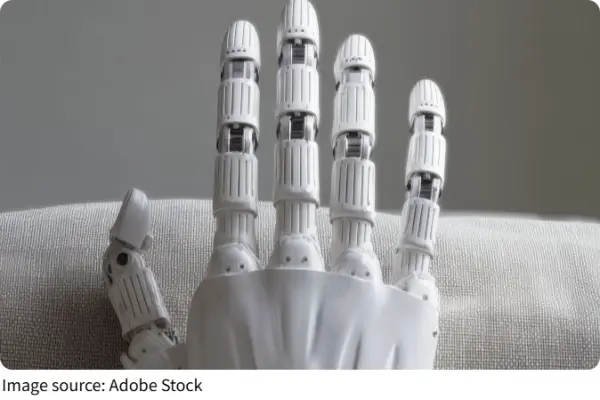
Three-dimensional printing is reshaping the future of prosthetic technology by combining digital design, advanced manufacturing, and personalized healthcare solutions. As research and innovation continue to progress, these technologies are expected to further improve accessibility, reduce production costs, and enhance the performance of prosthetic devices. By delivering customized solutions that address individual needs, 3D printing is helping make prosthetic care more efficient, accessible, and effective while supporting greater independence and an improved quality of life for people with limb differences.