Easy Sports for Young Kids

Chandan Singh
| 12-03-2026
 · News team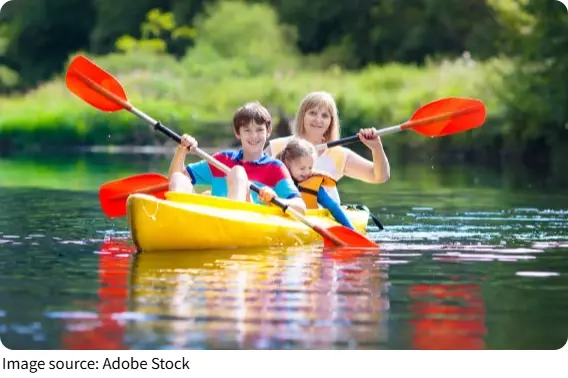
Early years are a unique period for developing physical skills, social confidence, and a positive relationship with movement.
Introducing young children to simple sports not only encourages gentle exercise but also strengthens coordination, social awareness, and enjoyment of active play.
Sports at this age should be approachable, fun, and tailored to developmental ability so that movement becomes a joyful part of everyday life rather than a pressure-filled obligation. Regular participation helps children refine motor skills while learning cooperation, focus, and resilience.
Informal Ball Games
Ball games are among the most accessible and effective first sports for young children. Activities like gentle tossing and catching, kicking a ball toward a target, or rolling a ball back and forth engage hand‑eye and foot coordination in a playful way. These simple interactions build confidence with fundamental movement patterns and invite friendly challenges that spark laughter and accomplishment without intensity.
Want a positive home vibe? Simple steps help build a healthy, happy mindset for the whole family!
Too much screen at night? Learn how it really impacts sleep and what helps you rest better!
This Simple Storage Strategy Could Save Your Crypto From Costly Mistakes
Biometric Banking Is Fast and Easy, but Is It Quietly Raising the Risk?
The Powerful Metrics Quietly Influencing Modern Investors
Most Car Buyers Miss This Financing Trick Before Signing the Papers
Miniature Team Games
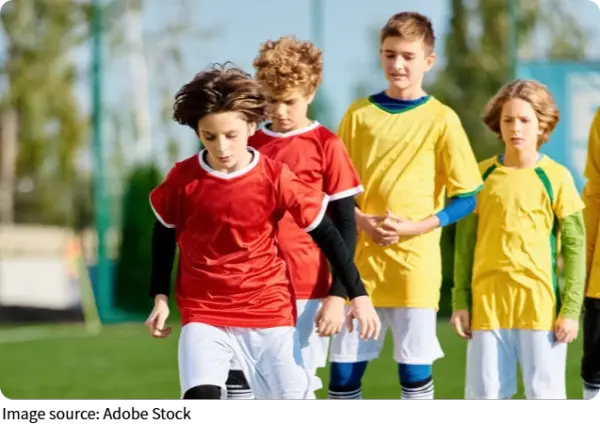
Team‑oriented play fosters social skills alongside physical activity. Scaled‑down versions of familiar sports such as touch football, short kick‑around soccer, or mini basketball games give children a sense of group participation and teamwork. Through shared goals and turn‑taking, young participants learn cooperation and communication while their movement skills gradually strengthen. These activities also promote patience and following simple game rules.
Sprint and Relay Activities
Short running races and simple relay games are enjoyable ways to incorporate bursts of movement. Explaining one task at a time—such as running to a cone and back—keeps the activity clear and manageable while allowing children to experience speed, control, and anticipation. Relay elements add a cooperative aspect, gently encouraging interaction and shared accomplishment.
Obstacle Routes and Agility Play
Setting up a playful route with safe obstacles—such as cones, low markers, or soft objects—invites children to climb, jump, weave, and balance. These challenges improve agility, spatial awareness, and strength in a context that feels more like play than exercise. Creative themes like “jungle trek” or “space mission” add imaginative fun while encouraging a wider range of movement skills.
Balance and Coordination Games
Activities that emphasize balance and stability help children develop body awareness and confidence. Simple balance beams drawn with chalk, stepping stones, or walking on taped lines on the floor encourage controlled movement. These games refine posture and steadiness, which are building blocks for more complex sports down the road.
Aquatic Play and Water Sports
Gentle water activities such as playful wading, splash games, or guided swimming lessons introduce children to a different set of movement skills. Movement in water provides gentle resistance that can support coordination and muscle engagement with less impact than many land-based activities. These experiences build comfort and confidence in aquatic environments, supporting both safety and fun.
Emphasizing Play Over Competition
For young children, the goal of sports is not competition or winning but engagement and exploration. Framing activities as play helps maintain excitement and reduces pressure. As Healthy Children organization explains, “Play helps children learn language, math, and social skills, and lowers stress.” This approach nurtures intrinsic motivation, so children associate positive feelings with movement and willing participation rather than performance demands.
Safety and Enjoyment First
Ensuring a safe setting—free from sharp or hard obstacles and with appropriate supervision—is key. Comfortable attire and a welcoming atmosphere encourage relaxed participation. Regular breaks, hydration, and cheerful encouragement support positive experiences that make young children eager for more physical play.
Introducing young children to simple sports activities builds more than physical ability; it supports social skills, coordination, and a lasting love for active movement. Accessible games like ball play, mini team sports, sprints, obstacle routes, balance challenges, and aquatic play provide varied, fun ways to engage multiple physical skills while nurturing confidence. By focusing on joy, safety, and participation, sports can become a cherished part of a child’s routine and development.