Kid: Try New Food Tips!

Owen Murphy
| 12-03-2026
 · News team
Encouraging children to try new foods is a common challenge in many families.
Food preferences develop early and are shaped by exposure, environment, and emotional experience.
Understanding Why New Foods Feel Difficult
Children are naturally cautious with unfamiliar foods. This response is linked to developmental survival instincts, where familiar items feel safer. Sensory sensitivity also plays a role. Texture, smell, temperature, and appearance can strongly influence acceptance. Taste preferences are not fixed.
Studies show that repeated exposure changes acceptance over time. A food that is rejected initially may be accepted later after multiple neutral encounters. Understanding this process reduces frustration and supports patience.
Want a positive home vibe? Simple steps help build a healthy, happy mindset for the whole family!
Too much screen at night? Learn how it really impacts sleep and what helps you rest better!
Want imaginative kids? Simple ways to spark creativity and let their ideas shine every day!
New baby at home? Calm feedings, smooth naps, and simple hacks to make life easier fast!
Want kids who ask questions? These tips help raise curious, confident, and engaged little minds!
Meals together? Boost laughs, chats, and connections! Make dinner a time everyone looks forward to!
The Importance of Repeated, Neutral Exposure
One of the most effective strategies is repeated exposure without pressure. Offering a small portion of a new food alongside familiar items allows observation without obligation. Neutral exposure means removing emotional weight from the experience. When food is presented calmly and consistently, curiosity has space to grow. Avoiding persuasion or reward-based pressure protects internal appetite awareness and reduces resistance.
Structure Creates Safety Around Eating
Predictable meal and snack routines help children feel secure. When eating happens at consistent times and locations, hunger and appetite cues become more reliable. This structure makes it easier to approach new foods with less anxiety. Clear roles during meals also support trust. Feeding expert Ellyn Satter, whose work is widely recognized in pediatric nutrition, explained this principle clearly: “Parents are responsible for what, when, and where children eat; children are responsible for how much and whether they eat.”
Involving Children in Food Experiences
Participation increases interest. Children who help with age-appropriate food tasks often show greater willingness to taste. Washing produce, stirring ingredients, or arranging items on a plate builds familiarity and ownership. Grocery selection also matters. Allowing children to choose between options, such as selecting a new fruit or vegetable to try, creates autonomy without overwhelming choice. Curiosity increases when involvement feels meaningful rather than forced.
Modeling Calm and Flexible Eating
Observation strongly influences behavior. When adults eat a variety of foods with calm enjoyment, children receive a powerful, silent message. Describing flavors in simple, non-judgmental language helps build food vocabulary without pressure. Avoiding negative comments about food is equally important. Statements that label foods as “bad” or “disgusting” can increase fear and reduce openness.
Managing Mealtime Pressure
Pressure often backfires. Encouraging bites, negotiating, or using rewards can increase resistance and reduce internal motivation. Research consistently shows that pressured eating leads to stronger food refusal over time. Instead, offering choice within limits works better. Presenting two acceptable options allows decision-making while maintaining structure.
Using Familiarity to Introduce Variety
Pairing new foods with familiar favorites increases acceptance. Familiar items create a sense of safety that lowers anxiety around unfamiliar tastes. Small portions of new foods are less intimidating and reduce waste. Changing preparation methods can also help. A food rejected in one form may be accepted in another.
Language Shapes Food Attitudes
Language used during meals influences long-term attitudes. Praising curiosity, such as noticing a smell or texture, reinforces exploration even without tasting. This keeps the experience positive. Avoid labeling children as “picky.” Labels can become identity markers that limit growth. Describing behavior neutrally supports flexibility and confidence.
Patience and Long-Term Perspective
Progress with new foods is gradual. Expecting immediate acceptance creates unnecessary tension. Tracking small steps, such as touching or smelling a new food, highlights growth that might otherwise be overlooked. Consistency matters more than intensity. Regular exposure over weeks and months builds familiarity naturally. Trust develops when children feel respected and unpressured.
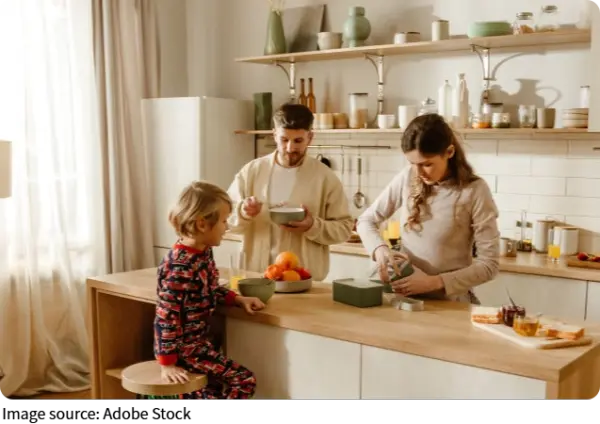
Encouraging children to try new foods requires structure, patience, and emotional awareness. By focusing on long-term patterns rather than immediate results, families create positive food experiences that support confidence, enjoyment, and balanced nutrition over time.