Playground Safe? Tips!

Declan Kennedy
| 12-03-2026
 · News team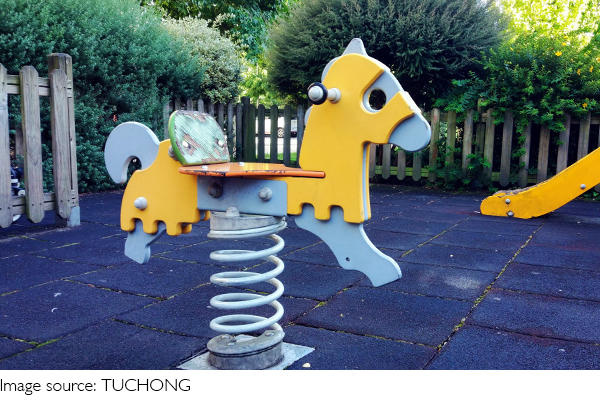
Playgrounds support physical development, social skills, and confidence in children.
Climbing, swinging, running, and imaginative play all contribute to healthy growth.
At the same time, playgrounds present risks when equipment, environment, or supervision is not appropriate. Safety does not mean limiting play. It means understanding potential hazards and creating conditions where children can explore with reduced risk. Knowledge of playground safety helps caregivers support active play while protecting children from preventable harm.
Why Playground Safety Deserves Attention
Playgrounds are designed for movement, which naturally involves speed, height, and coordination. These elements support development but also increase the chance of injury when safety standards are ignored. Many incidents are preventable through proper equipment selection, surface awareness, and supervision.
Want a positive home vibe? Simple steps help build a healthy, happy mindset for the whole family!
Too much screen at night? Learn how it really impacts sleep and what helps you rest better!
Want imaginative kids? Simple ways to spark creativity and let their ideas shine every day!
New baby at home? Calm feedings, smooth naps, and simple hacks to make life easier fast!
Want kids who ask questions? These tips help raise curious, confident, and engaged little minds!
Meals together? Boost laughs, chats, and connections! Make dinner a time everyone looks forward to!
Injury prevention researcher Dr. Gary Smith, a professor of pediatrics and director of the Center for Injury Research and Policy, summarized a key finding clearly: “The majority of playground injuries are caused by falls.”
Choosing Age-Appropriate Play Areas
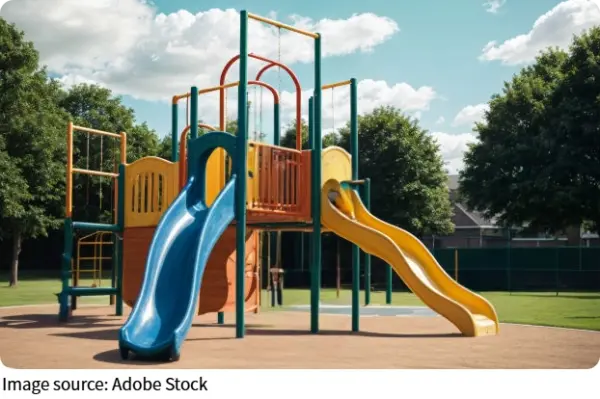
One of the most important safety steps is matching children to equipment designed for their age group. Play structures are typically labeled for specific developmental stages. Equipment meant for older children may involve higher platforms, wider gaps, or faster movement that younger children cannot manage safely.
Separate play zones reduce collision risk. Younger children benefit from lower climbing structures and enclosed slides, while older children need space for more complex movement. Respecting these divisions supports safer play for everyone.
Understanding Safe Playground Surfaces
The surface beneath equipment plays a critical role in injury prevention. Hard ground such as concrete, packed soil, or asphalt significantly increases risk during falls. Safer surfaces include materials that absorb impact, such as engineered wood fiber, rubber tiles, rubber mats, or sand.
Depth matters as much as material. Protective surfacing must be deep enough to cushion falls from the highest equipment point. Over time, loose materials shift and compress, so regular maintenance is essential. Checking surface depth before play adds an extra layer of protection.
Inspecting Equipment Before Play
A brief visual check can prevent many hazards. Look for loose bolts, cracked plastic, sharp edges, or exposed metal. Equipment should feel stable when lightly shaken. Moving parts, such as swings, should hang freely without twisted chains or worn connectors. Temperature is another often-overlooked factor. Metal slides and platforms can become extremely hot in direct sunlight.
Clothing and Accessories Matter
What children wear to the playground can affect safety. Clothing with long drawstrings, scarves, or loose accessories may catch on equipment. Shoes should fit securely and provide traction. Open footwear or slippery soles increase fall risk. Helmets used for biking or skating should be removed before playground play. Helmet straps can become caught on structures, creating serious hazards. Simple clothing checks before play reduce avoidable risks.
Supervision That Supports Independence
Active supervision does not require constant interference. Staying close enough to observe and respond quickly allows children to explore while remaining protected. Supervision should be adjusted based on age, ability, and playground complexity. Distraction reduces effectiveness. Staying attentive rather than focused on phones or conversations ensures quick response when needed. Positioning near climbing equipment or busy areas improves visibility.
Teaching Safe Play Behavior
Children benefit from clear, simple safety expectations. Teaching basic rules such as waiting turns, using equipment as intended, and being aware of others reduces collisions and conflicts. These lessons support both safety and social development. Modeling calm behavior also matters.
Weather and Environmental Awareness
Weather conditions influence playground safety. Wet equipment becomes slippery, increasing fall risk. Extremely hot or cold weather affects comfort and safety. Adjusting playtime based on conditions reduces unnecessary hazards. Environmental awareness includes checking for debris, insects, or broken glass, especially in public play areas. A quick scan before play supports a safer environment.
Inclusive Safety Considerations
Children with different abilities benefit from inclusive playgrounds designed with accessibility and safety in mind. Smooth pathways, adaptive equipment, and clear sightlines support participation while reducing risk. Encouraging respect for different play styles helps prevent accidents. Inclusive play environments work best when safety and understanding are shared values.
Playgrounds offer essential opportunities for movement, learning, and joy. With informed attention and thoughtful preparation, playgrounds remain places where children can explore confidently, build skills, and enjoy active play in a secure environment.