2026 Investment Map

Caroll Alvarado
| 16-03-2026
 · News team
Investment decisions in 2026 call for a balanced view of growth, income, and risk. Rather than chasing headlines, investors may benefit from focusing on structural themes that influence earnings, capital spending, and long-term demand.
A practical strategy this year is less about predicting every market swing and more about identifying durable areas of opportunity while keeping portfolios flexible.
One of the clearest themes is the continued build-out of artificial intelligence infrastructure. The conversation has shifted from excitement alone to a more practical question: which businesses can convert technology spending into better productivity, stronger margins, and more resilient business models? Chris Hyzy, chief investment officer, said that energy networks, data centres, and digital platforms are becoming central drivers of the 2026 investment outlook. For investors, that points to looking beyond headline-grabbing names and paying closer attention to the companies that support computing capacity, digital services, and enterprise adoption.
Charm or control? The patterns behind ego, low empathy, and the harm it causes!
Can tiny daily habits really shift your mood? Simple moves, little changes, and a happier life waiting?
Struggling with overeating? Learn how to recognize food addiction and take control of cravings!
The Hidden Sales Tricks Behind Every Stunning Showroom Home
The Forex Trading Style That Fits Your Personality Best
Expert tips for selecting a sun‑protective hat that shields your face, neck, and ears under intense UV exposure.
Energy is another area drawing sustained attention. In 2026, investors are watching cleaner power generation, storage technology, grid upgrades, and materials linked to large-scale infrastructure. Rising electricity demand from data-heavy industries has strengthened interest in reliable power systems and long-term capital projects. A measured approach may include diversified exposure to utilities, infrastructure assets, and select materials that support electrification and network expansion.
Diversification also looks especially important this year. When market gains are concentrated in a narrow group of large companies, portfolios can become more fragile than they first appear. Rebalancing across regions, sectors, and asset types may help reduce concentration risk while opening the door to opportunities that develop outside the market’s most crowded trades. Income-oriented holdings, high-quality bonds, securitised credit, and infrastructure-related assets may all play a role in smoothing returns when volatility increases.
Defensive positioning remains relevant as well. Gold, real estate investment trusts, dividend-paying shares, and other steadier assets can serve as useful complements to growth holdings. These positions are not only about protection; they can also improve portfolio balance when inflation stays uneven or sentiment shifts quickly. Investors who combine growth themes with stabilising assets may be better prepared for a year in which leadership changes from one segment of the market to another.
Longer-term structural change should not be ignored. Demographic shifts, evolving healthcare demand, and changes in consumer priorities can influence capital flows for years. Businesses connected to healthy aging, care services, productivity tools, and everyday value may offer more gradual but durable sources of return. These opportunities often attract less attention than fast-moving technology stories, yet they can contribute meaningfully to long-range portfolio construction.
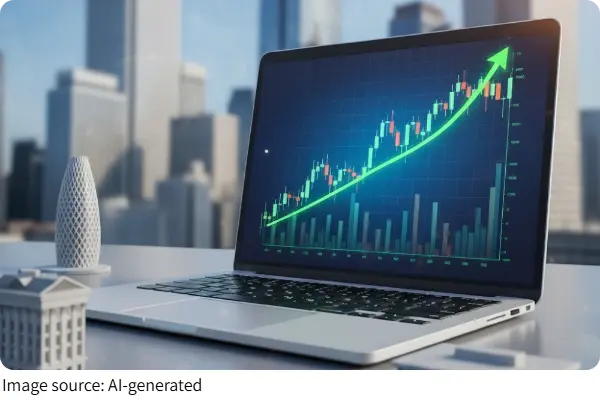
A thoughtful 2026 strategy may therefore include selective exposure to AI enablers, energy and infrastructure themes, diversified income assets, and defensive positions that help manage uncertainty. The strongest approach is likely to be disciplined rather than reactive: review concentration risk, look for real earnings support behind major themes, and build a portfolio that can adapt as conditions change. Investing well in 2026 is not about following noise. It is about aligning capital with practical demand, durable trends, and sensible risk control.