How to Choose Sunglasses

Arvind Singh
| 17-03-2026
 · News team
On a bright day, the sun's rays can be dazzling — and potentially harmful to your eyes.
Sunglasses are more than just a fashion accessory; they are essential gear that protects your vision and reduces eye strain.
With countless styles, colors, and lens options, choosing the right pair can feel overwhelming. A thoughtful selection ensures your sunglasses are both effective and comfortable, whether you're driving, hiking, or strolling through town.
Choosing sunglasses wisely can enhance visual comfort, protect against ultraviolet (UV) radiation, and improve clarity in bright environments. The most important factor is ensuring your lenses block harmful sunlight rather than just looking cool.
Start With UV Protection
Ever notice your energy or mood changing? Here’s what happens with hormones as we age and why it matters!
Small habits adding up? Spot early warning signs of addiction before it takes control!
Fresh start after a breakup? Practical tips to date with confidence and a healthier mindset!
Wondering if they truly care? Look for these signs that show your partner values your well-being!
Unlock Explosive Growth: How Finance Teams Are Using Conversations to Beat Competitors!
Stiff joints scream for attention! Could your knees be signaling more than usual pain?!
Protection is the first priority when selecting sunglasses. The sun emits ultraviolet (UV) radiation, which can reach your eyes even on cloudy days. Long-term exposure to UVA and UVB rays increases the risk of cataracts, macular degeneration, and other eye damage.
“Wearing sunglasses with 100% UV protection can reduce this risk and help preserve your vision.” — American Academy of Ophthalmology.
Look for sunglasses labeled with “UV400” or “100% UVA and UVB protection” — these markings indicate that the lenses block nearly all harmful UV rays. This label is essential because lens color or darkness alone does not guarantee UV protection; inexpensive or dark tinted glasses without proper protection can actually make your eyes work harder and allow more harmful rays to enter.
Ensuring complete UV coverage is especially important if you spend long periods outdoors, drive frequently, or engage in activities like skiing, hiking, or water sports where reflected light intensifies exposure.
Consider Lens Materials and Polarization
How well sunglasses protect and enhance vision also depends on the lens material and features:
- Polycarbonate lenses are lightweight, impact-resistant, and naturally block UV rays.
- CR-39 plastic or glass lenses also protect against UV rays but may require additional coatings for full protection.
Polarized lenses do not increase UV protection but reduce glare from reflective surfaces like water, snow, or asphalt. This is especially useful for driving, boating, or outdoor sports, improving contrast and reducing eye strain.
Always pair polarized lenses with proper UV protection labels.
Frame Size and Coverage Matter
Protection isn’t only about the lens — how much of your eyes and surrounding skin are shielded is critical.
- Wraparound or large frames block sunlight from the sides or above the lenses, reducing UV exposure to the eyes and skin around them.
- Fit matters: Sunglasses should feel snug but comfortable without pinching the nose or temples. A secure fit enhances both comfort and protection.
Lens Tint and Color for Activity
Tint color does not determine UV protection but affects visual comfort:
- Gray lenses: Neutral color perception, reduce brightness — great for general use.
- Brown or amber lenses: Enhance contrast — useful for driving or outdoor sports.
- Green lenses: Sharpen contrast while maintaining color balance.
Avoid trendy tints like bright yellow or rose that may distort color perception, especially when accurate color judgment is needed.
For outdoor activities near water or snow, polarized and darker tints improve comfort by reducing glare.
Fit, Comfort, and Practicality
Sunglasses should feel comfortable for extended wear. Lightweight frames made from materials like nylon, acetate, or TR-90 reduce pressure on the nose and ears.
Ensure the sunglasses do not slide when moving or tilting your head. Features like comfortable nose pads, smooth temple arms, and balanced weight distribution improve comfort.
For sports or active wear, durable frames and secure fit prevent damage and keep sunglasses in place. Some sport models also offer interchangeable lenses for variable light conditions.
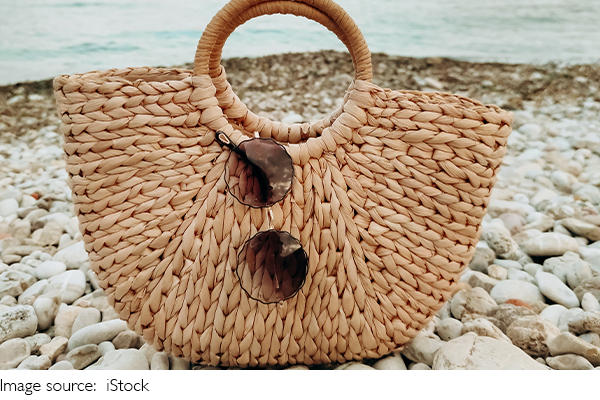
Choosing Sunglasses That Protect and Perform
Selecting the right sunglasses combines eye protection and personal comfort.
1. Check for 100% UV protection labels.
2. Evaluate lens materials, polarization, and frame design based on your typical activities.
While fashion matters, safety comes first — stylish sunglasses are only worthwhile if they protect your eyes effectively. Whether navigating city streets, driving long distances, or enjoying outdoor adventures, the right pair enhances vision and contributes to long-term eye health.
Ultimately, choosing sunglasses thoughtfully is an investment in comfort and protection — a pair that keeps your eyes safe and your vision clear will reward you season after season.