Precious Metals Explained

Declan Kennedy
| 30-03-2026
 · News team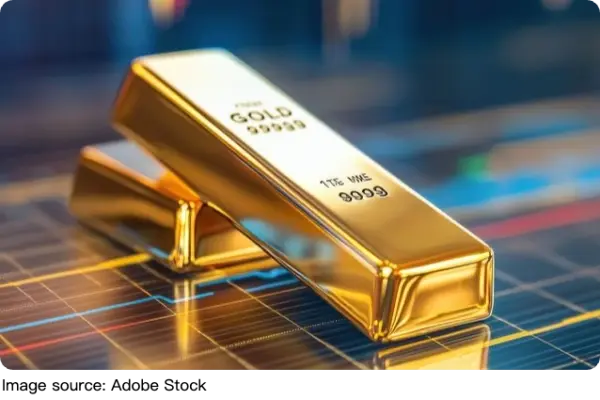
Hello, Lykkers! Gold and silver have long been seen as reliable stores of value, especially when inflation starts to rise. But how exactly does inflation shape their prices?
The answer lies in a mix of economic forces, investor psychology, and global financial trends. Let's explore this relationship.
What Is Inflation and Why It Matters
Inflation refers to the gradual increase in the price of goods and services over time, which reduces the purchasing power of money. When inflation rises, each unit of currency buys less than before.
This is where precious metals like gold and silver come into play. Unlike paper money, they are finite resources and cannot be printed or created at will. Because of this, they are often viewed as a hedge against the declining value of currency.
Most Investors Do This Wrong — And It's Not What You Think
The Secret Behind Every Profitable Investment Decision Revealed
Oil Prices Up, Down, Sideways — Here's the Logic the Headlines Never Tell You
Stop Showing Charts! The Financial Storytelling Method That Actually Drives Decisions
Before You Invest Another Dollar, Read This — It Could Change Your Financial Future
Most Investors Pick the Wrong Fund — Here's How to Finally Get It Right
Why Precious Metals Gain Attention During Inflation
When inflation accelerates, investors typically look for ways to protect their wealth. Gold and silver become attractive because they tend to hold their intrinsic value over time.
One key reason is trust. During inflationary periods, confidence in fiat currencies can weaken, leading investors to shift toward tangible assets. As demand for these metals increases, their prices often rise as well.
This demand-driven effect is one of the strongest links between inflation and precious metal prices.
Expert Insight
Peter Schiff, economist and precious metals analyst, writes that gold is the one form of money that cannot be debased, making it a reliable store of value when central banks expand the money supply. His perspective highlights an important point: gold is not just reacting to inflation itself, but also to the policies that often accompany it, such as monetary expansion.
The Influence of Interest Rates
While inflation can push gold and silver prices upward, the relationship is not always straightforward. One major factor that complicates things is interest rates.
When inflation rises, central banks often respond by increasing interest rates to control it. Higher interest rates make assets like bonds and savings accounts more attractive because they offer returns.
Gold and silver, on the other hand, do not generate income. As a result, rising interest rates can reduce their appeal, sometimes causing prices to stabilize or even decline despite ongoing inflation.
Gold vs. Silver: Similar but Different
Although both metals are influenced by inflation, they behave differently in the market. There are a few key distinctions worth understanding:
• Gold – Primarily a financial asset, widely used as a hedge against economic uncertainty. It tends to be more stable and is favored by long-term investors.
• Silver – Plays a dual role. In addition to being a precious metal, it is heavily used in industries such as electronics and renewable energy. This means its price is influenced not only by inflation but also by industrial demand, making it more volatile.
Short-Term Fluctuations vs. Long-Term Trends
It's important to distinguish between short-term and long-term effects. There are two dimensions to consider:
• Short term – Gold and silver prices can fluctuate due to a range of factors, including interest rates, currency strength, and market sentiment. Inflation alone does not dictate their movement.
• Long term – Both metals have shown a strong ability to preserve purchasing power. This is why they continue to be considered reliable hedges against inflation, even if their performance is not always consistent in the shorter run.
Final Thoughts
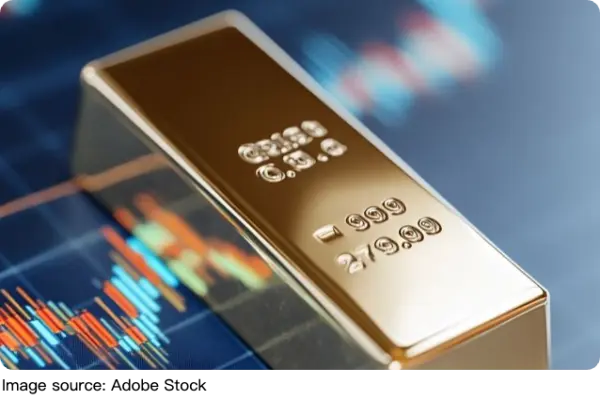
Inflation plays a significant role in shaping the price of gold and silver, but it is only part of a larger financial picture. Investor behavior, central bank policies, and global economic conditions all interact to influence these markets.
For Lykkers looking to understand precious metals as an investment, the key takeaway is balance. Gold and silver can provide protection against inflation, but they should be viewed as part of a broader, well-diversified strategy rather than a standalone solution.