Freshness Starts Early!

Nolan O'Connor
| 10-06-2026
 · Lifestyle team
Hi Lykkers! Tea harvesting often begins before most people start their day, and this timing is not random. It is a carefully refined practice shaped by plant biology, temperature stability, and flavor preservation. The exact moment tea leaves are picked influences their chemical balance, aroma strength, and overall taste quality.
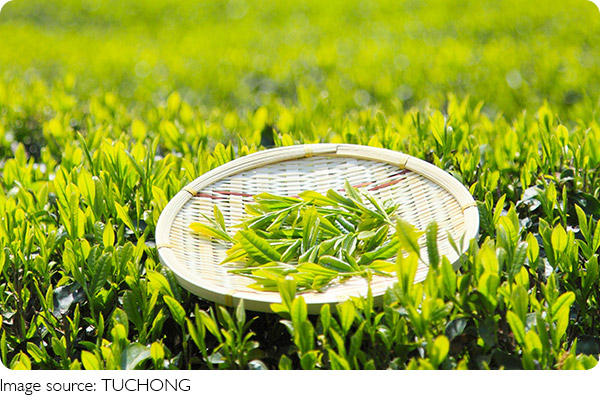
Early morning is widely chosen because the leaves are still in a calm physiological state, unaffected by heat and intense sunlight. This quiet period plays a major role in creating the smooth, fresh character that defines high-quality tea.
Cooler Hours Preserve Leaf Chemistry
During nighttime, tea plants slow their metabolic processes. As temperatures drop, leaves retain moisture and stabilize internal compounds. By early morning, amino acids such as theanine remain relatively high, while bitter compounds have not yet intensified.
What happens when kids care for chickens every day?! The results surprise!
Emotional Labor in Families: The Invisible Work That Keeps Everyone Connected
Float Into Coral Worlds: Why Snorkeling Feels Like Flying Underwater and How We Can Enjoy It Safely!
Living Walls: A Complete Guide to Vertical Gardening with Wall-Mounted Planters for Any Space
Simple and effective care techniques to help multi-stem carnations stay fresh, vibrant, and beautiful for longer at home
A beginner-friendly guide to growing healthy tropical flowering houseplants indoors
Once sunlight increases, photosynthesis becomes more active, triggering shifts in sugars, polyphenols, and enzyme activity. These changes gradually increase astringency and reduce natural sweetness. Harvesting early helps capture leaves before these transformations accelerate, preserving a more balanced and refined flavor profile. In simple terms, morning leaves are chemically stable, while later leaves are already undergoing rapid internal change.
Complete Guide about Tea Harvesting - How tea is Picked and Why it Matters
Nioteas TV
Moisture Balance Keeps Leaves Fresh and Strong
Another important reason for morning plucking is leaf hydration. After a cool night, tea leaves are firm, elastic, and rich in moisture. This physical condition makes them easier to pick without causing bruising or tearing. As the day progresses and temperature rises, evaporation increases. Leaves begin to lose water content, becoming softer and more fragile.
This weakens their structure and makes them more vulnerable to damage during harvesting and transport. Once damaged, enzymatic reactions begin faster, which can alter flavor before processing even starts. By harvesting early, the natural structure of the leaf is preserved from the plant stage all the way to processing.
Aroma Is Strongest Before Heat Exposure
Tea aroma depends on volatile compounds that are highly sensitive to heat and light. Early morning conditions help preserve these compounds because the air is cooler and environmental stress is minimal. As temperatures rise, these aromatic molecules begin to evaporate or degrade more quickly. This reduces fragrance intensity and can flatten the sensory profile of the final tea. Morning harvesting helps retain these delicate compounds at their peak, allowing the tea to maintain a fresher and more vibrant aroma.
Enzyme Activity and Flavor Control
Once tea leaves are picked, natural enzymes inside them begin reacting with oxygen. This oxidation process is essential in shaping flavor, but it must be carefully controlled. Morning-harvested leaves are cooler and less metabolically active, which slows the initial rate of oxidation. This gives producers more control over how flavors develop during processing. If leaves are harvested later in the day, higher temperatures can accelerate enzymatic activity, making flavor outcomes less predictable.
Better Harvesting Conditions Improve Accuracy
Morning hours also provide better working conditions for harvesting teams. Cooler temperatures reduce physical strain, allowing for more careful and consistent plucking of tender shoots and buds. Leaf selection is highly precise work, as only specific growth stages produce high-quality tea. Good visibility under soft morning light also helps workers distinguish between mature and tender leaves more accurately. This improves uniformity in the harvested batch and supports better overall quality.
Faster Processing Protects Freshness
After harvesting, tea leaves begin to change rapidly if not processed in time. Morning picking aligns perfectly with processing schedules, ensuring that leaves move quickly from field to production facilities. This reduces the time gap between harvesting and withering, which is critical for maintaining freshness. The shorter this interval, the lower the risk of unwanted oxidation or flavor loss.

Tea leaves are not defined only by where or how they grow, but also by when they are harvested. Morning plucking preserves chemical balance, protects aroma, maintains structural integrity, and improves processing control. It captures the leaf at its most stable and expressive stage before environmental conditions begin to change it.