Flower Portrait Posing Tips

Kwame Johnson
| 24-06-2026
 · Lifestyle team
There is something timeless about a portrait surrounded by flowers. Their color, texture, and natural beauty add depth, warmth, and elegance to an image.
Whether you are photographing in a flower field, a garden, or with a simple bouquet at home, thoughtful preparation and a few essential techniques can help you create portraits that feel authentic and visually striking.
Choose Flowers That Complement the Portrait
Different flowers create different visual effects. When planning a floral portrait session, select blooms with soft or neutral tones, such as pale pink, white, or cream, as these colors generally complement a wide range of skin tones and perform well in natural light. Flowers with defined shapes, including roses, sunflowers, and daisies, retain their texture and detail well in photographs. Avoid excessively bright or neon-colored flowers, as they may cast unwanted color onto the skin or compete with the subject for attention. Adding soft greenery can also introduce movement, depth, and balance to the composition. Long stems work well for natural hand placement, while smaller blooms can be layered into the foreground for additional visual interest.
Embracing Soft Romance, Nature, and Effortless Warm-Weather Style
How to Keep Curls Defined, Frizz-Free, and Naturally Bouncy Every Day
How to Choose the Perfect Accent Wall: Paint, Wallpaper, Texture, and Gallery Ideas
A simple guide to pairing woven chairs with concrete walls for a space that feels warm, calm, and stylish
The Humble Basket Is Quietly One of the Most Stylish Things You Can Put in Any Room — Here's Proof
Affordable Kitchen Upgrades That Don't Require a Full Renovation or Demolition
Build a Cohesive Color Palette
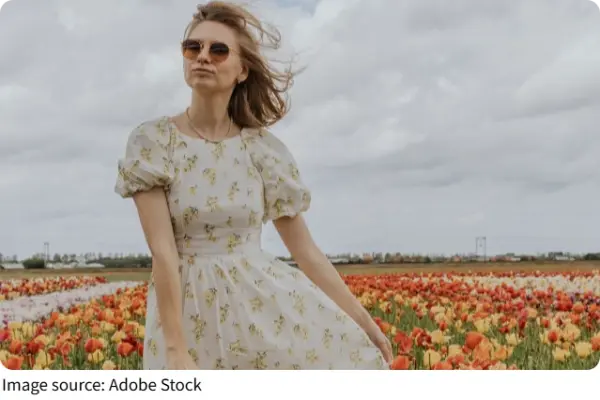
A well-planned color palette strengthens the overall impact of a portrait. Consider coordinating the flowers, clothing, background, and accessories using colors from the same family for a harmonious appearance. Alternatively, complementary colors positioned opposite one another on the color wheel, such as yellow and purple or red and green, can create balanced contrast while maintaining visual harmony. Thoughtfully selected clothing and accessories help reinforce the overall style without overwhelming the natural beauty of the flowers.
Use Soft, Natural Light
Lighting is one of the most important elements of portrait photography. Outdoor sessions are often most successful during the early morning or late afternoon, when sunlight is softer and more flattering. This period, commonly known as golden hour, produces gentle illumination that enhances both the subject and the flowers. Bright midday sunlight can create harsh shadows and reduce color detail. For indoor photography, position the subject near a large window and allow natural light to illuminate the face from the side, creating soft, even lighting and gentle dimension.
Create Depth Through Selective Focus
Using a shallow depth of field is an effective way to create elegant floral portraits. A wider aperture allows flowers positioned in front of or behind the subject to become softly blurred while keeping the subject in sharp focus. This technique produces a sense of depth and naturally directs attention toward the portrait. Placing flowers close to the edge of the frame can also create subtle foreground framing that enhances the composition without distracting from the subject.
Keep the Background Clean
A simple background allows the subject and flowers to remain the primary focus. Remove unnecessary distractions whenever possible and choose neutral surroundings, such as plain walls, soft fabric backdrops, or uncluttered outdoor settings. Clean backgrounds improve visual balance and help the colors and textures of the flowers stand out more effectively.
Encourage Natural Posing
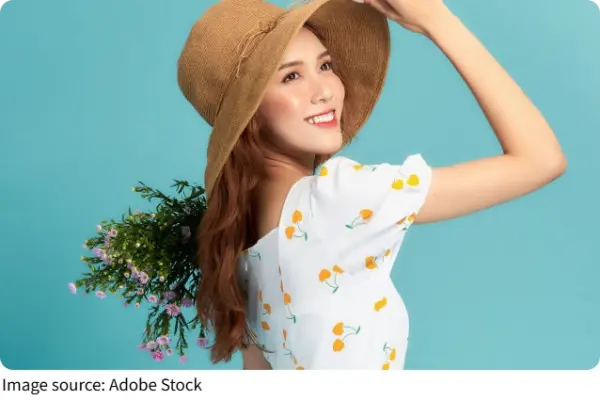
Natural expressions and relaxed body language create portraits that feel genuine and timeless. Holding a bouquet, gently touching a flower, or allowing flowers to frame the subject naturally introduces movement and elegance without appearing overly posed. Keeping props to a minimum helps maintain a clean composition while allowing the flowers to remain an integral part of the portrait.
Plan Around Seasonal Blooms
Many flowers bloom only during specific periods of the year, making timing an important part of planning a floral portrait session. Research bloom seasons in advance and prepare clothing, accessories, and creative ideas before the flowers reach their peak. Developing a simple mood board beforehand can also help create a consistent visual style throughout the session.
Beautiful flower portraits are created through careful attention to composition, lighting, color coordination, and natural posing. By selecting suitable blooms, working with soft natural light, maintaining clean backgrounds, and planning around seasonal flowers, you can produce elegant, timeless portraits that highlight both the subject and the beauty of nature. Thoughtful preparation and attention to detail will help ensure every floral portrait feels refined, authentic, and visually memorable.