Fishermen vs Climate

Celia
| 09-07-2026
 · Lifestyle team
Hi, Friends! Imagine setting out before dawn on a fishing trip only to return with fewer fish than ever before. Many fishermen today are also facing stronger storms, changing ocean conditions, damaged equipment, and uncertain incomes.
Climate change is making fishing more difficult and less predictable than in the past. For many coastal communities, these challenges are no longer distant concerns but part of daily life.
Climate change is reshaping marine ecosystems around the world. Rising sea temperatures, unpredictable weather patterns, stronger cyclones, and increasing pollution are affecting fish populations and altering traditional fishing grounds. These changes are forcing fishermen to rethink how they work, where they fish, and how they protect their livelihoods.
Why do dogs lift every mood? The answer may surprise every pet lover!
Can one staircase turn a living room into a daily design adventure?
Train to Machu Picchu: A Practical Guide to a Scenic Slow-Travel Adventure
Fresh air and shared moments! Could this become your favorite routine?
Why do railways make ordinary journeys feel like small adventures?
What hides beneath offshore rigs? The ocean is paying a far bigger price than expected!
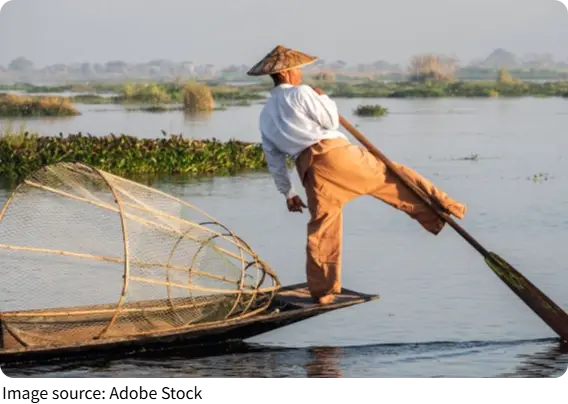
Climate Change Is Changing the Rules of Fishing
Fishing has always depended on understanding nature. Generations of fishermen learned to read the sea, the wind, and the seasons. However, climate change is making these patterns increasingly difficult to predict.
Warmer waters can alter fish migration routes, causing species to move away from traditional fishing areas. At the same time, extreme weather events such as storms and heavy rainfall create greater risks for those working offshore. Pollution from plastic waste, industrial discharge, sewage, and oil spills adds another layer of pressure on marine ecosystems.
As catches become less reliable, fishing households face growing financial uncertainty. For communities that depend heavily on fishing income, adapting to these environmental shifts has become essential.
Six Strategies Helping Fishermen Stay Afloat
Researchers identified six major approaches commonly used by fishermen to cope with changing conditions.
One of the most visible changes is the adoption of improved fishing equipment. Many fishermen have invested in more efficient boats and modern gear that allow them to travel farther and fish more effectively.
Another strategy involves using different types of nets. Since fish behavior and locations are changing, relying on a single net design is often no longer sufficient. Multiple net types help fishermen target different species under varying conditions.
Many also spend longer hours at sea. When fish become harder to find, extending fishing time can help maintain income, although it often comes at the cost of increased physical strain and fuel expenses.
Some crews travel much farther from shore than they did in previous decades. This strategy can increase catches, but it also exposes fishermen to greater weather-related dangers and operational costs.
Boat insurance has become increasingly important as storms and rough seas threaten expensive equipment. Insurance provides a financial safety net when accidents or weather-related damage occur.
Finally, some fishing households diversify their income by pursuing additional occupations. Small businesses, wage labor, and other local economic activities help reduce dependence on a single source of earnings.
Why Education Matters More Than Ever
One of the most significant findings from the research is the role of education in adaptation. Fishermen with higher levels of education were generally better able to recognize environmental changes and understand their potential consequences.
They were also more likely to access information about new technologies, insurance programs, and government support initiatives. Education does not automatically solve economic challenges, but it helps individuals evaluate risks and make informed decisions.
Understanding changing rainfall patterns, rising temperatures, or emerging opportunities can influence how effectively a family responds to uncertainty. In the long term, education also expands career options for younger generations who may choose to pursue livelihoods beyond fishing if conditions continue to worsen.
Community Bonds Can Be a Powerful Safety Net
Adaptation is not only about technology and money. Social connections play a critical role as well. The research found that rural fishing communities often benefit from strong social networks. Information about dangerous weather, changing fishing conditions, or emerging risks spreads quickly among family members, friends, and neighbors.
These relationships create an informal support system that helps communities respond collectively during crises. In many cases, strong communication networks have contributed to reducing loss of life during severe weather events. For policymakers, this finding highlights an important lesson: successful adaptation programs should build upon existing community relationships rather than focusing solely on financial assistance or infrastructure.
Pollution and Competition Are Reshaping Decisions
Environmental pollution emerged as a major concern among fishermen. Floating debris, discarded plastics, industrial waste, and oil contamination can damage nets and reduce fishing efficiency. In heavily affected areas, fishermen often adjust their equipment choices to minimize losses caused by polluted waters.
Economic competition also influences behavior. As more fishermen compete for limited marine resources, pressure increases to improve efficiency and maximize catches. Those who perceive stronger competition are more likely to invest in advanced gear, use multiple net types, and purchase insurance coverage.
Urban fishing communities reported feeling these competitive pressures more intensely than their rural counterparts, reflecting the complex relationship between environmental change and local economies.
The Challenge of Weather Warnings
Weather forecasts and early-warning systems have become vital tools for protecting lives at sea. Yet not every fisherman responds to warnings in the same way.
The study found that younger fishermen and those who had previously experienced severe storms were generally more likely to follow weather advisories. Boat owners with insurance coverage also tended to take warnings seriously because they wanted to protect valuable assets.
However, some experienced fishermen remained skeptical. Years of working at sea often strengthened confidence in personal judgment and traditional knowledge. In many communities, observations passed down through generations were viewed as highly reliable.
Researchers suggest that weather communication could become more effective by integrating scientific forecasts with locally respected knowledge systems. When information feels familiar and trustworthy, communities are more likely to act on it.
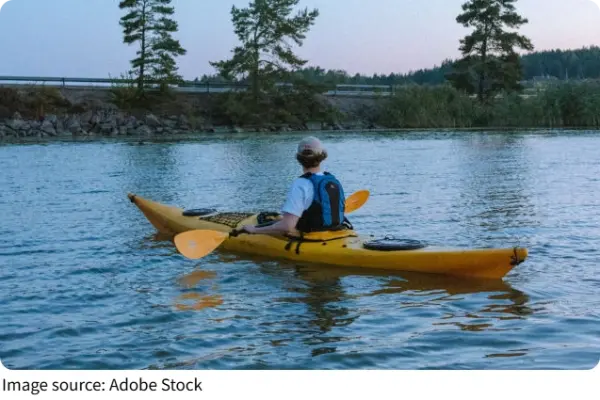
The future of fishing will depend not only on healthier oceans but also on the resilience of the people who depend on them. The experiences of coastal fishing communities demonstrate that adaptation involves a combination of education, technology, social support, financial protection, and trusted information.