Space Out Sugar

Claire
| 12-09-2026
 · News team
Hello, Lykkers! Most parents know that sugar is bad for teeth. That simple message has been repeated for decades, yet cavities remain one of the most common childhood health problems.
The reason is that the full story is more complex than "sugar causes cavities." Understanding how decay actually develops, and why frequency matters more than quantity, gives you the power to protect your child's smile far more effectively than simply banning sweets.
How Cavities Actually Form
Cavities do not appear overnight. They develop through a gradual process that involves bacteria, sugar, and acid.
The mouth naturally contains many types of bacteria. Some of them feed on sugars and refined carbohydrates from food. When these bacteria digest sugar, they produce acid as a waste product. That acid attacks tooth enamel, the hard outer layer that protects the tooth.
How regular hiking can support cardiovascular fitness, strength, balance, sleep, and overall well-being
How to measure blood pressure correctly, understand your readings, and support healthy levels
How cycling supports cardiovascular fitness, heart-rate control, and safe exercise
How wearable sensors track heart rate, ECG patterns, oxygen levels, activity, sleep, and other health measurements
How sufficient, regular sleep supports brain function, emotional well-being, immune health, metabolism, and cardiovascular function
The UK economy expanded again in the second quarter of 2026, but growth slowed from the pace recorded at the start of the year.
Each acid attack lasts for roughly twenty minutes after eating. During that time, minerals are pulled from the enamel in a process called demineralization. Between meals, saliva washes away acid and redeposits minerals back into the enamel. This repair process is called remineralization.
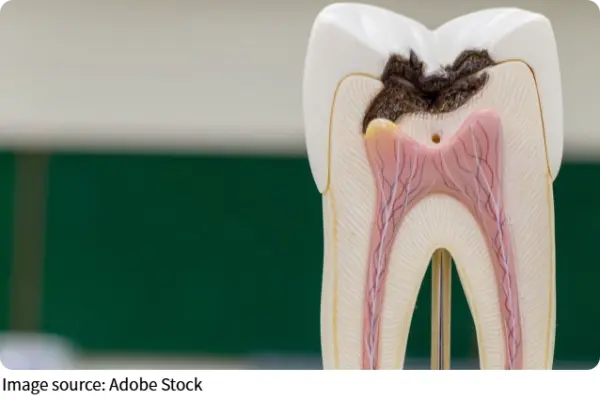
Problems begin when acid attacks happen too often. If the enamel does not get enough time to repair itself, the mineral loss continues. Eventually, a small weak spot forms. Over time, that weak spot becomes a hole, which is a cavity. Once a cavity forms, it cannot heal on its own and requires professional treatment.

Why Frequency Matters More Than Amount
This is the part most parents miss. A single large serving of something sweet causes one acid attack. The same amount eaten slowly over several hours, or split into multiple snacks, causes repeated attacks that leave no time for repair.
That is why a child who sips a sweet drink throughout the afternoon may develop more cavities than a child who eats a larger treat in one sitting. Sticky foods that cling to teeth, like dried fruit or chewy candies, are also worse because they stay in contact with enamel longer.
The key lesson is simple: how often sugar touches the teeth matters as much as how much.
Protecting Teeth Day to Day
Protection comes down to three strategies: reducing acid attacks, strengthening enamel, and keeping the mouth clean.
Limit sipping and snacking. Offer sugary foods and drinks with meals rather than throughout the day. Water is the best drink between meals.
Choose tooth-friendly snacks. Cheese, plain yogurt, nuts, and crunchy vegetables help neutralize acid and stimulate saliva.
Brush twice daily with fluoride toothpaste. Fluoride helps rebuild weakened enamel and makes it more resistant to acid. For children under six, use a rice-grain-sized amount. For ages three to six, a pea-sized amount is appropriate.
Floss once a day. Flossing removes food and bacteria from between teeth where a brush cannot reach.
Rinse with water after sweets. If brushing is not possible, swishing water helps clear sugar and acid.
Chew sugar-free gum with xylitol. For older children, this can stimulate saliva and reduce acid.
Fluoride and Regular Dental Visits
Fluoride is one of the most effective tools against cavities. It works by strengthening enamel and helping repair early damage before a cavity forms. Many communities add fluoride to drinking water, and fluoride toothpaste provides additional protection.
Professional dental visits matter too. A dentist can spot early signs of decay, such as white spots, before they become cavities. They can also apply fluoride treatments or sealants to protect vulnerable back teeth. Most children benefit from a checkup every six months, though your dentist may recommend a different schedule.
What About Early Damage
If early decay is caught before a hole forms, it may be possible to reverse it through improved brushing, fluoride, and dietary changes. This is why regular checkups are so valuable. Once a cavity has formed, it needs a filling. Untreated cavities can lead to pain, infection, and problems with eating, speaking, and sleeping.
Final Thoughts
Sugar is not the sole villain in tooth decay. The real issue is how often teeth are exposed to acid and whether they get time to recover. By spacing out sweets, choosing better snacks, brushing with fluoride, flossing daily, and keeping regular dental appointments, you can dramatically reduce your child's risk. Understanding how decay actually works turns vague worry into clear, practical action.