Healthy Basketball Shooting

Santosh Jha
| 23-09-2026
 · News team
Basketball shooting requires coordinated movement throughout the body.
The legs generate a stable foundation, while the trunk, shoulders, arms, wrists, and hands contribute to directing the ball toward the basket. Efficient mechanics help these areas work together as one movement.
Effective shooting form is not defined by a single position that suits every player. Body proportions, mobility, coordination, and experience can influence technique. The goal is to develop a controlled movement pattern that feels natural and can be repeated comfortably.
Start With a Stable Stance
A balanced stance prepares the body for the shooting motion. Place the feet in a comfortable position, distribute weight evenly, and maintain a slight bend in the knees.
How regular badminton can support cardiovascular fitness, coordination, balance, movement control, and everyday physical well-being
What to Know About Blood Sugar Testing, Glucose Monitoring, and Doctor Visits
How Much Water Do You Really Need for Healthy Hydration?
What to expect, potential benefits, and when professional guidance may be helpful
UK inflation climbed to 2.9% in July as higher household energy costs pushed living expenses up again.
Simple steps for accurate readings, proper technique, and confident home monitoring
This position allows the lower body to support the movement while keeping the upper body prepared to guide the ball. Avoid excessive stiffness, as a natural stance makes controlled movement easier.
Maintain Comfortable Hand Position
The shooting hand directs the ball, while the supporting hand helps maintain control during the setup.
Use enough pressure to secure the ball without gripping it excessively. Keeping the hands and forearms relaxed allows the wrist and fingers to contribute naturally during release.
During practice, periodically check your hand position and release tension when necessary. This can help preserve smooth mechanics as repetitions increase.
Coordinate the Shooting Arm
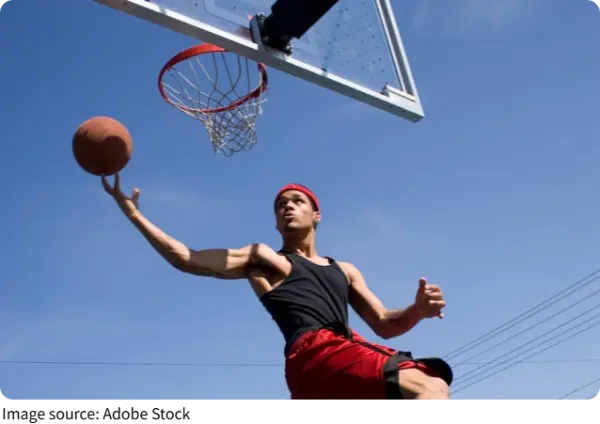
The shoulder, elbow, wrist, and hand contribute to the path of the shot. Their movement should remain coordinated rather than working as separate actions.
As the ball rises, position the shooting arm naturally in line with the intended direction. Extend the arm smoothly toward the target, allowing the wrist and fingers to complete the release.
There is no requirement for every player to reproduce an identical arm position. Individual mobility and body structure can influence how efficient technique appears.
Use the Lower Body
The hips, knees, and ankles contribute to shooting force and help coordinate the movement from the ground upward.
From the initial stance, allow the legs to extend naturally as the upper body moves toward release. This creates a connected sequence and reduces reliance on the arms alone.
When increasing shooting distance, develop the movement gradually. Establish control at a manageable range before progressing farther from the basket.
Practice With Purpose
Quality practice focuses on reinforcing efficient movement rather than simply increasing the number of attempts.
The Centers for Disease Control and Prevention recommends a gradual approach to physical activity: “Start slowly and work your way up to more time or more challenging activities.” This principle supports progressively increasing shooting volume or distance as physical capacity and technique develop.
Begin at a comfortable distance and concentrate on controlled execution. As the movement becomes more consistent, gradually increase practice volume or shooting range.
Key elements to monitor include:
- Balanced foot position
- Controlled lower-body movement
- Coordinated arm extension
- Comfortable hand positioning
- Smooth wrist and finger action
- Consistent follow-through
Working on these elements as part of one coordinated motion can help develop dependable shooting mechanics.
Support Training With Recovery
Basketball practice requires physical effort, so recovery should be incorporated into a well-rounded training routine. Allow appropriate time between demanding sessions and adjust activity according to current conditioning and experience.
Hydration, sufficient rest, and an appropriate warm-up can help prepare the body for physical activity. Training intensity should progress gradually so the body has time to adapt.
If discomfort persists or interferes with normal activities, pause the relevant exercise and seek guidance from a qualified healthcare professional.

Build Sustainable Shooting Habits
Healthy shooting practice brings together balanced positioning, coordinated movement, appropriate progression, and adequate recovery.
A strong routine considers more than whether the ball reaches the basket. Paying attention to movement quality helps players develop efficient mechanics while supporting comfortable, sustainable participation in basketball. Consistent practice and sensible progression can make shooting technique more reliable over time.