Why Wind Energy Matters

Yuna
| 21-09-2026
 · News team
Wind energy has become an increasingly important part of the modern electricity sector, supported by advances in turbine technology and growing demand for renewable power.
For investors, the appeal extends beyond environmental benefits, with wind projects offering potential advantages related to operating costs, infrastructure value, and long-term energy planning.
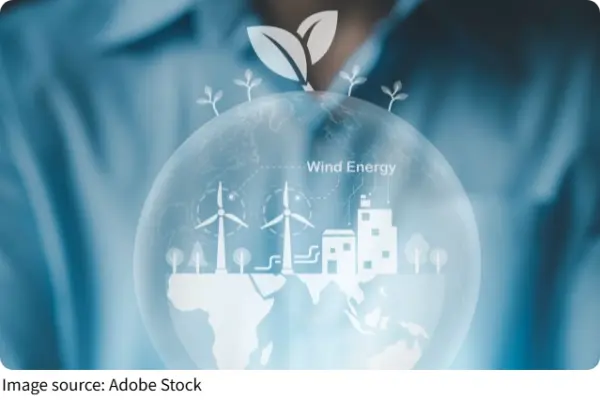
A Renewable Energy Resource
Wind is a naturally replenished resource, making it fundamentally different from energy sources that depend on extracting and consuming finite fuels. Once a wind turbine is operating, the wind itself does not need to be purchased, transported, or stored.
This characteristic gives wind projects an important long-term feature. Energy production depends on local wind conditions, turbine performance, and other technical factors, but the underlying resource remains naturally available. For infrastructure investors, that can provide an appealing foundation for projects designed to operate over many years.
Why Small Changes Are Making Revenue Charts Look Insanely Unreal!
Price vs. Value: The Truth Behind the Most Dangerous Number in the Market!
How Reputation and Ideas Became Corporate Gold Mines!
What if the biggest mistake investors make is expecting the market to behave predictably?
The Untold Truth About Property Wealth Most People Ignore!
Why Bitcoin ETFs Are Reshaping Crypto Faster Than Expected!
No Direct Fuel Cost
One of the most important financial characteristics of wind power is the absence of a direct fuel expense during electricity generation. A conventional power facility that relies on fuel must continuously obtain that fuel, while a wind turbine captures energy from moving air.
This can make operating costs more predictable after a project has been constructed. However, wind investments still involve significant expenses, including construction, financing, maintenance, equipment replacement, land arrangements, transmission, and grid-related costs. The economics therefore depend on the quality and structure of each individual project.
Long-Term Infrastructure Potential
Wind farms are generally developed as long-term infrastructure rather than short-lived projects. Their value comes from the ability to generate electricity over an extended operating period. The source material provided for this article notes that wind projects are commonly designed around multi-decade operating periods.
Technology Is Still Advancing
Wind technology has continued to develop through improvements in turbine blades, generators, control systems, monitoring equipment, and overall engineering. Modern turbines can be substantially different from earlier generations in terms of size, efficiency, and operating capabilities.
Expert Insight
Paul Veers, a research fellow at the National Renewable Energy Laboratory and a leading wind-energy researcher, has emphasized that the technology still has significant room for development. “Current wind turbines work and are cost-effective, but the demands of the future will be very different from what they are today and from what they have been in the past. The evolution of the wind turbine is still a major area of opportunity.”
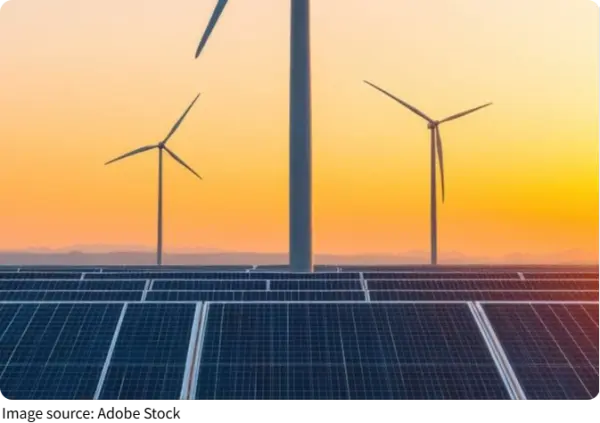
Different Project Scales
Wind energy can be developed at different scales, from smaller installations to large wind farms containing numerous turbines. This flexibility allows projects to be designed according to available land, wind resources, electricity demand, and grid capacity.
Large projects can benefit from economies of scale, while smaller developments may serve more specific energy requirements. Offshore wind adds another area of development, with turbines located at sea where suitable wind conditions can provide additional opportunities.
Lower Operational Emissions
During normal electricity generation, wind turbines do not burn fuel. As a result, electricity production does not involve direct combustion emissions at the turbine itself. There are still environmental impacts associated with manufacturing, transportation, construction, maintenance, and eventual retirement.
Opportunities Beyond Turbines
Investment opportunities in wind energy are not limited to turbine manufacturers or wind-farm owners. The industry requires a broad network of supporting businesses, including engineering firms, construction companies, electrical-equipment suppliers, software developers, maintenance providers, transportation services, and grid infrastructure specialists.
Important Factors to Examine
Wind energy should not be viewed as a guaranteed source of financial returns. Project economics can be affected by wind quality, construction costs, financing rates, equipment prices, electricity markets, transmission capacity, maintenance requirements, and regulatory conditions.
A strong wind resource alone does not guarantee a successful project. Careful analysis of expected electricity production, operating expenses, contracts, financing arrangements, equipment reliability, and infrastructure is essential before making an investment decision.
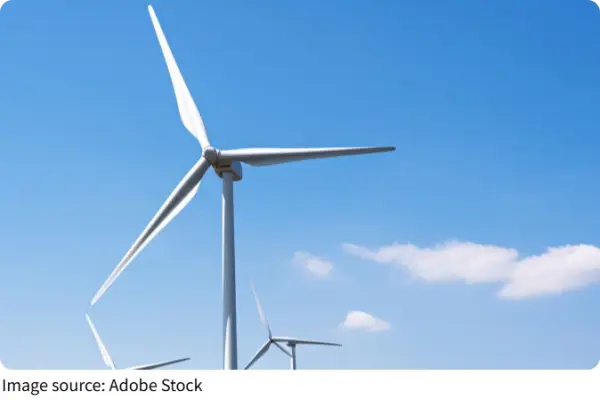
Wind energy offers a combination of renewable resource availability, no direct fuel cost during operation, long-term infrastructure potential, technological progress, and expanding opportunities across the wider energy industry.
As with any infrastructure investment, careful evaluation remains essential, but the combination of technology and long-term energy demand makes wind energy an important sector to understand.