Transform How You Sit

Matteo
| 22-09-2026
 · News team
Welcome to this guide all about sitting well and staying comfortable. We often spend hours seated—at desks, in front of screens, or while relaxing. But how we sit really matters for how we feel at the end of the day.
Lykkers, this article is here to help you build better sitting habits that support your body and make daily life more enjoyable. Let’s get started!

Expert Perspective on Dynamic Sitting
Biomechanist Katy Bowman, MS, author of Rethink Your Position and founder of Nutritious Movement, emphasizes that the human body thrives on postural variety rather than a single "correct" sitting pose.
Bowman notes that incorporating floor sitting, changing positions frequently, and going barefoot provide essential "movement nutrients" that keep joints mobile, support natural spinal alignment, and prevent the musculoskeletal stiffness caused by prolonged, static chair sitting.
Are There Billions of People Missing from the Global Population Count?
The Way Green Certifications Are Boosting Company Profits!
How Technology Is Creating the Next Trillion-Dollar Trade Empire!
Why Smart Home Study Rooms Are Becoming the Next Big Investment!
The Surprising Link Between Reliable Transportation and Financial Success!
Prices keep climbing- what now? Smart habits can protect your daily budget!
Easy and Effective Tips to Improve How You Sit
Make Sitting on the Floor a Habit
Spending more time seated on the floor can help build flexibility and support your natural posture. Positions such as cross-legged, kneeling, or sitting with legs stretched forward are natural for the body.
Practicing simple floor poses regularly, especially through gentle movements or stretching exercises, can improve comfort and balance over time.
Change Positions Regularly
Avoid staying in the same position for too long. Shifting weight, switching sides, and even switching where you sit helps your muscles and joints avoid strain. Sitting one-sided or slouching for hours can cause unnecessary discomfort, so aim to change your posture frequently throughout the day.
Take Short Movement Breaks
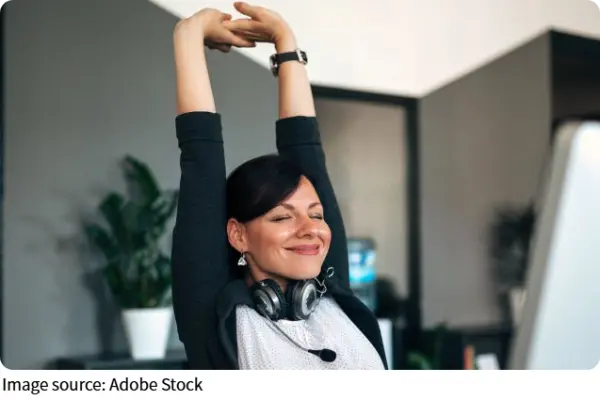
Standing up and walking for a few minutes every half hour supports better circulation and helps reduce tension. When regular breaks aren’t possible, stand or stretch whenever the chance arises—while talking on the phone, waiting for a file to download, or even during a short pause in your tasks. Incorporating a walk, short ride, or light physical activity into your day can make a real difference.
Use More Than Just a Chair
Try to complete simple tasks like reading, checking your device, or making a call while standing, walking, or lying on your back. Some activities can even be done while pedaling on a home cycle or walking on a treadmill. Lying on your stomach with elbows on the floor (sphinx position) or lying on your back with bent knees are also great for posture variety. Just remember—movement and variation are key!
Remove Your Shoes Indoors
Going barefoot indoors helps you feel more relaxed and free to move in different ways. Bare feet naturally support flexible and adaptive postures. It also makes it easier to use cushions, mats, rugs, or sofas without concern for dirt or marks. Try spending more time without shoes at home—it connects you with the ground and can lead to better posture awareness.
Add a Soft Rug to Your Space
A soft, cozy rug can transform your home into a movement-friendly environment. It gives you a comfortable surface to sit or lie on, encouraging more time off the chair. Add a few cushions or a light blanket and you’ve created a mini relaxation area. It's a perfect space for sitting cross-legged, lying on your back, or doing gentle stretches that improve your seated comfort.
Conclusion: Let Comfort and Flexibility Be Your Everyday Goal
Sitting comfortably doesn’t require a fancy setup—just awareness, movement, and a few small changes to daily habits.
Shifting positions, taking breaks, sitting on the floor, or going barefoot can ease stiffness and help you feel more refreshed.
Remember, comfort grows from variety, not stillness. Try a few of these simple steps and make your daily sitting time a healthy part of your lifestyle. Here's to a more relaxed and flexible you!