DASH Diet and Potassium!

Kai
| 13-10-2026
 · News team
The DASH diet is widely recommended for managing high blood pressure because it emphasizes fruits, vegetables, whole grains, and other nutrient-rich foods.
However, people taking certain blood pressure medications may need to pay closer attention to potassium intake, since some medicines affect how efficiently the kidneys remove this mineral from the bloodstream.

Understanding the DASH Diet
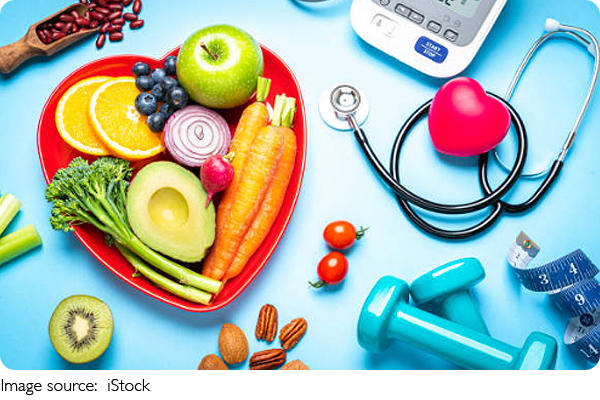
DASH stands for Dietary Approaches to Stop Hypertension. This eating plan was developed to help lower blood pressure through balanced nutrition rather than relying on a single food or nutrient. It emphasizes fruits, vegetables, whole grains, beans, nuts, low-fat dairy products, fish, and lean poultry while limiting sodium, sugary beverages, and foods high in saturated fatty acids.
How Artificial Intelligence Supports Dental Imaging, Diagnostic Assessment, and Treatment Planning
A Medical Guide to Effective Brushing, Cavity Prevention, and Healthy Teeth and Gums
Evidence-Based Nutrition, Personalized Treatment, and Sustainable Health Management
How Physical Therapy and Targeted Strength Training Help Older People Improve Balance, Mobility, and Independence
Understand hypertension symptoms, risk factors, accurate blood pressure monitoring, and effective treatment options
What research says about Bitcoin and farm commodities as inflation hedges, and what holders can do.
One important feature of DASH is its potassium content. Potassium helps counter some of sodium's effects on blood pressure and supports normal muscle and nerve function. It also contributes to the regulation of fluid balance and the electrical signals that maintain a regular heartbeat.
What Recent Findings Suggest
Preliminary findings presented at the American Heart Association's Hypertension Scientific Sessions in October 2026 examined potassium levels among 356 Black adults with high blood pressure. Participants came from two randomized trials. Researchers compared people receiving DASH-patterned groceries and nutrition counseling with those receiving money to purchase their own groceries.
The DASH intervention was designed to provide approximately 4,700 milligrams of potassium daily. Researchers measured participants' blood potassium levels at the beginning of the study and after 12 weeks.
The analysis found no significant increase in blood potassium levels associated with the DASH intervention, including among participants taking certain blood pressure medications and nonsteroidal anti-inflammatory drugs (NSAIDs). Researchers also reported no significant deterioration in kidney function.
The findings suggest that potassium-rich foods do not automatically cause excessive potassium levels in every person taking these medicines. However, the results should be interpreted cautiously because they were presented as preliminary scientific meeting findings rather than a completed, peer-reviewed journal publication. The participant group was also limited to Black adults in the Boston area, making it difficult to determine whether the results apply equally to other populations.
Why Medication and Kidney Function Matter
Some medications used to control blood pressure can increase potassium levels. These include angiotensin-converting enzyme (ACE) inhibitors, angiotensin receptor blockers (ARBs), and potassium-sparing diuretics. Certain NSAIDs may also contribute to potassium retention, particularly when kidney function is impaired.
Excessive potassium in the bloodstream, known as hyperkalemia, can interfere with the heart's electrical activity. Severe cases may cause dangerous heart rhythm disturbances, sometimes without obvious early symptoms.
The risk varies according to medication type, kidney function, existing potassium levels, and other health conditions. A person with healthy kidneys taking a particular blood pressure medicine may have a different risk profile from someone with chronic kidney disease or a history of elevated potassium levels.
Expert Insight
Cheng-Han Chen, MD, an interventional cardiologist and medical director of the Structural Heart Program at MemorialCare Saddleback Medical Center, has discussed the relationship between blood pressure medication and potassium levels. Chen stated: “Certain classes of blood pressure medications can potentially cause high potassium levels, especially in people with kidney disease.”
Practical Ways to Follow DASH Safely
For many people, adopting DASH gradually can make the eating pattern easier to maintain. Adding vegetables to meals, choosing whole grains more often, eating fruit regularly, and replacing heavily salted packaged foods with lower-sodium alternatives are useful starting points.
People taking medications that affect potassium balance should discuss substantial dietary adjustments with a qualified healthcare professional. Depending on individual circumstances, blood tests may be recommended to monitor potassium levels and kidney function.
Potassium supplements and potassium-based salt substitutes require particular caution. Although these products may help reduce sodium intake or increase potassium consumption, they can create additional risks for people whose medications or kidney conditions limit potassium removal. Prescribed blood pressure medication should never be reduced or stopped without medical guidance.
The DASH diet remains a valuable approach to blood pressure management. Preliminary findings from 2026 suggest that its potassium-rich foods did not significantly raise blood potassium levels among the studied adults taking certain medications. Nevertheless, the results do not establish universal safety, particularly for people with advanced kidney disease or already elevated potassium levels.
A balanced eating pattern, appropriate medication use, and individualized monitoring can work together to support cardiovascular health. Anyone considering substantial dietary changes or potassium supplements while taking blood pressure medication should consult a qualified healthcare professional to determine the safest approach.