DASH Diet Safety!

Leila
| 16-10-2026
 · News team
The DASH diet is widely recognized for its potential to lower blood pressure through balanced food choices and reduced sodium intake. Its emphasis on potassium-rich fruits, vegetables, legumes, and other nutritious foods supports cardiovascular health.
However, concerns can arise when people taking certain blood pressure medications consider increasing potassium consumption, because some medicines affect the body's ability to regulate this mineral.
Understanding the DASH Eating Plan
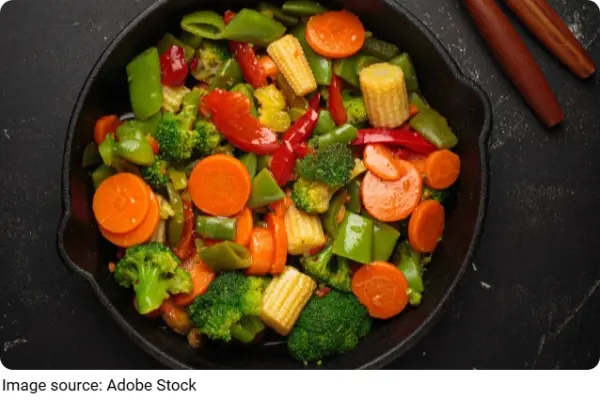
DASH stands for Dietary Approaches to Stop Hypertension. This dietary pattern emphasizes vegetables, fruits, whole grains, beans, nuts, seeds, fish, lean poultry, and suitable dairy products. It also encourages limiting sodium, sugary drinks, and heavily processed foods.
Sleeping longer at weekends may help your body recover from a tiring week, but scientists say the timing and duration matter.
A new study reveals which health benefits remain a year after weight loss and why regular exercise may help protect them.
Rental prices are climbing across Europe, with Romania and Croatia recording dramatic increases. What is driving the housing squeeze?
House prices rise in Europe; Portugal and Bulgaria see sharpest increases due to supply‑demand imbalance.
JPMorgan Chase leads the global AI rankings, while Switzerland's UBS is the only European bank to reach the top 10.
EU auditors warn that rising debt and spending errors could put pressure on future budgets as borrowing approaches €1 trillion.
The approach supports blood pressure regulation through several nutritional mechanisms. Reducing sodium can help limit excess fluid retention, while potassium helps balance sodium's effects and supports normal blood vessel function. Magnesium and calcium also contribute to healthy muscle contractions and vascular activity.
Unlike restrictive eating plans, DASH focuses on building a balanced selection of foods rather than eliminating entire food groups. Its benefits can extend beyond blood pressure management, particularly when combined with regular physical activity, adequate sleep, and other healthy habits.
What the Latest Research Found
Researchers presented findings at the American Heart Association's Hypertension Scientific Sessions in October 2026. The analysis examined 356 Black participants from the GoFresh and GoFreshRx clinical trials in the greater Boston area. Participants had elevated blood pressure or were receiving treatment for hypertension.
The researchers assessed whether following a potassium-rich DASH eating pattern affected blood potassium levels among people taking medications that can influence potassium regulation. These included angiotensin-converting enzyme inhibitors (ACE inhibitors), angiotensin receptor blockers (ARBs), potassium-sparing diuretics, beta-blockers, and nonsteroidal anti-inflammatory drugs (NSAIDs).
Over 12 weeks, participants received DASH-patterned groceries or financial support to purchase food independently. The DASH intervention was designed to provide approximately 4,700 milligrams of potassium daily.
The analysis found no significant increase in blood potassium levels associated with the dietary intervention. Researchers also reported no significant deterioration in kidney function during the observation period.
Why Potassium Matters for Blood Pressure
Potassium is an essential mineral involved in nerve signaling, muscle contraction, fluid balance, and normal heart rhythm. It also helps counter some of sodium's effects on blood pressure.
When potassium intake increases through nutritious foods, healthy kidneys generally respond by adjusting how much potassium is removed from the bloodstream. This regulatory process helps maintain a stable concentration of the mineral. However, potassium balance becomes more complicated when kidney function is impaired or certain medications interfere with potassium excretion. ACE inhibitors and ARBs, for example, can reduce the hormonal signals that encourage potassium removal.
Excessive potassium in the bloodstream is known as hyperkalemia. Severe cases can interfere with the heart's electrical activity and cause potentially dangerous rhythm abnormalities. Symptoms may be absent or nonspecific, making laboratory monitoring important for people at increased risk.
Expert Insight
David Rhee, MD, a board-certified cardiologist affiliated with Manhattan Cardiology in New York, commented on the research findings. He was not involved in the study. Rhee stated: “The kidney is unmatched in its ability to self-regulate the excretion of water and electrolytes.”
Who Needs Extra Caution?
People with advanced chronic kidney disease require particular attention because impaired kidney function can reduce potassium removal. Those with previously elevated potassium levels may also need an individualized dietary plan.
People taking several medications that affect kidney function or potassium balance should discuss their combined effects with a qualified healthcare professional. Diabetes and certain heart conditions can introduce additional considerations. Potassium supplements and potassium-based salt substitutes deserve special caution. These products can deliver substantial amounts of potassium, sometimes more rapidly or in greater quantities than expected from ordinary meals.
Practical Ways to Follow DASH
For people whose healthcare professionals consider the diet appropriate, DASH can be introduced gradually. Vegetables, fruit, whole grains, beans, and other minimally processed foods can form the foundation of daily meals. Reducing heavily salted packaged foods and choosing lower-sodium alternatives may also help support blood pressure management. Portion sizes and food choices should reflect individual nutritional requirements rather than a rigid potassium target.

A personalized DASH eating plan can support cardiovascular health when appropriate, particularly when combined with lower sodium intake and other healthy habits. Consultation with a qualified healthcare professional remains the safest way to determine whether increased potassium consumption is suitable for individual circumstances.