Caregiving: Stress or Joy?

Zoe
| 16-10-2026
 · News team
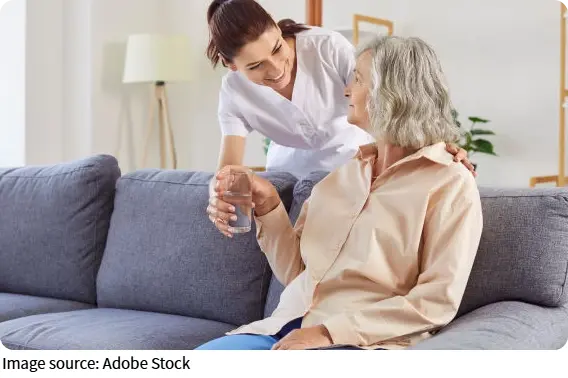
Supporting a family member through illness or disability can require substantial time, energy, and emotional commitment. Responsibilities may include helping with daily routines, coordinating medical appointments, managing household tasks, and providing companionship.
Such demands can become exhausting, especially when professional assistance or family support is limited.
How the Caregiving Debate Began
A widely cited study published in 1999 examined older spouses who were caring for partners with disabilities. Researchers reported that caregivers experiencing substantial emotional strain had a 63% higher relative risk of death over four years than a comparison group whose spouses were not disabled.
Can gene therapy help restore sight for some blind people? New research offers a ray of hope!
Can a common gut bacterium help lower cholesterol and artery plaque? New research offers hope
New research reveals which health benefits survive weight regain and why regular exercise may help protect long-term metabolic health.
Can a weekend lie-in make up for lost sleep? Scientists reveal the surprising benefits and potential drawbacks of catching up on rest.
How bots and wash trading inflate on-chain activity, and how to check if usage is real.
How upgraded bank networks and stablecoins are changing the speed and cost of international transfers.
The findings drew attention to the potential health consequences of prolonged caregiving stress. However, subsequent researchers questioned whether the comparison adequately separated the effects of caregiving from the effects of having a seriously ill partner.
People caring for an ill spouse may face emotional distress, disrupted routines, and concerns about the partner's condition. Those circumstances can affect health independently of the practical work involved in providing assistance.
Later research has not consistently reproduced the original finding that caregiving itself increases mortality. Several large population studies have instead associated caregiving with lower mortality rates. Such results do not prove that caregiving extends life, but they challenge the assumption that its effects are uniformly harmful.
Why Caregiving Can Feel Both Rewarding and Exhausting
Caregiving often combines competing emotional experiences. Providing support may strengthen family relationships, reinforce a sense of responsibility, and create meaningful opportunities to help someone through a difficult period. Witnessing a loved one's comfort or progress can also provide emotional satisfaction.
At the same time, demanding care arrangements can interfere with sleep, employment, social activities, and personal routines. Financial pressure may increase when caregivers reduce working hours or pay for transportation, medication, and household assistance.
The balance between these experiences varies considerably. Someone providing occasional help with errands may face very different demands from a person providing continuous supervision for a relative with advanced dementia.
Research involving thousands of caregivers has found that a sense of purpose and emotional stress can coexist. Recognizing the positive aspects does not invalidate the difficulties, just as acknowledging the difficulties does not mean every caregiving experience is damaging.
Expert Insight
William Haley, a gerontologist and clinical psychologist at the University of South Florida, has studied the health effects of caregiving. Discussing unanswered questions about the relationship between caregiving stress and biological responses, Haley stated: “There’s a lot of mysteries here.”
Could Helping Others Protect Health?
One possible explanation for the mixed findings involves the emotional and biological systems associated with helping behavior. Humans are naturally equipped to respond to the needs of family members and other people. Providing support may activate processes associated with social connection, motivation, and emotional reward.
A 2020 study published in the Proceedings of the National Academy of Sciences examined inflammation-related biomarkers in people who became regular caregivers. Researchers found no average increase in the measured biomarkers following the transition into caregiving, including among people reporting substantial strain.
Because chronic inflammation is associated with several long-term health conditions, this finding raises questions about whether certain biological responses to helping behavior may differ from responses to other prolonged stressors.
Why Caregivers Still Need Support
Potential emotional benefits should never be used to dismiss the difficulties of providing care. Persistent exhaustion, anxiety, isolation, financial hardship, and disrupted sleep deserve attention, particularly when responsibilities continue without adequate assistance.
Practical support can include sharing tasks among relatives, arranging respite services, seeking guidance from healthcare professionals, and identifying community resources. Access to reliable information and opportunities for rest may help make caregiving more manageable.
Scientific evidence does not support a simple conclusion that caregiving inevitably shortens life. A balanced understanding recognizes both the potential rewards and the real burdens. Reliable support, manageable responsibilities, and attention to caregiver well-being remain essential regardless of the emotional benefits that caregiving may bring.