Digital Banking in Germany

Samir
| 17-10-2026
 · News team
Crédit Agricole is expanding its retail banking operations in Germany with Crédit Agricole Deutschland, a digital-first bank designed to combine convenient online services with personal customer support.
The launch marks a new stage in the French banking group’s German business and reflects growing competition to attract customers seeking accessible savings and everyday banking services.
Building on an Established German Presence
Crédit Agricole has operated in Germany for more than seven decades, serving retail, corporate and institutional customers. The group already has approximately one million retail customers in the country, providing a foundation of local experience and market knowledge.
Can Latvia become Europe's next fintech hub? New ambitions aim to attract startups, talent, and investment!
Can prime editing correct rare immune disorders? This precise genetic tool may open new paths to treatment!
Could everyday salon tools expose hairdressers to harmful chemicals? New research raises safety concerns!
Can bacteria on your tongue influence thinking speed and memory? New research reveals a surprising link!
Can friendly gut bacteria help protect newborns from deadly infections? New research offers hope!
A rise at the pump spreads into groceries, travel tickets, and everyday household costs.
The launch supports the group’s ACT 2028 strategy, which aims to strengthen its European presence and expand its universal banking model. Germany is an important market because of its large economy and substantial household savings sector.
Crédit Agricole aims to double its customer base across its German businesses to two million by the end of 2028. Reaching this target will depend on attracting new customers, retaining their confidence and developing long-term banking relationships.
Digital Services and Planned Products
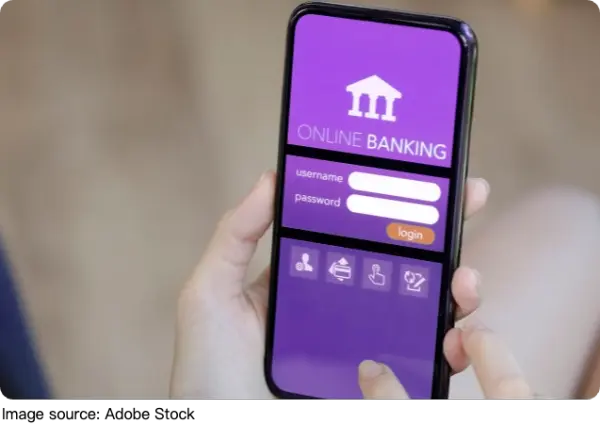
The initial offering will focus on everyday financial needs. Customers are expected to receive a current account with a German IBAN, a Visa card and savings options, including instant-access and fixed-term deposits. A mobile application will support account opening, account management and product subscriptions. Customers will also be able to contact support through telephone, email and live chat.
From 2027, the bank plans to expand its services with additional savings options, lending, enhanced advisory services and premium offerings. Mobile payment features and further self-service functions are also planned. A phased rollout allows the bank to establish its core services before introducing more complex products. It also creates opportunities to assess customer feedback, strengthen digital processes and maintain appropriate operational safeguards.
Expert Insight
Amir Djourabtchi, chief executive of Crédit Agricole Deutschland, has highlighted the importance of balancing digital convenience with dependable customer service. He said: “German customers expect banking to be straightforward, transparent and secure, without having to choose between digital convenience and reliable human support.”
Competition in Germany’s Banking Market
Germany has a competitive banking sector that includes major commercial banks, savings banks, cooperative institutions and digital providers. Customers may be reluctant to switch because of established relationships, familiar payment arrangements and confidence in their existing institutions.
Crédit Agricole Deutschland will therefore need to distinguish itself through competitive savings products, a convenient digital experience and clear terms. Interest rates matter, but customers also consider account fees, withdrawal conditions, support quality and available services.
Security and Long-Term Growth
Digital banking requires more than attractive features. Strong authentication, fraud prevention, data protection and reliable technology are essential to maintaining customer confidence. Clear product information is equally important. Customers need to understand account charges, deposit terms and whether savings can be withdrawn immediately or must remain invested for a fixed period.
The planned expansion from 2027 could help the bank develop broader customer relationships through additional savings, financing and advisory services. Introducing products gradually may also help the business respond to demand while maintaining appropriate controls.

Crédit Agricole Deutschland represents an expansion of the group’s retail banking activities in Germany. Long-term success will depend on reliable technology, competitive products, transparent conditions and effective customer support. In a market with many established alternatives, the bank’s ability to convert its experience and infrastructure into lasting customer relationships will be central to its growth.