Healthy Children's Teeth

Julian
| 11-11-2026
 · News team
Healthy dental development begins with the first tooth. Establishing appropriate cleaning habits early helps children maintain healthy teeth, develop effective self-care skills and become familiar with regular dental visits.
Caregiver supervision, fluoride toothpaste and preventive dental care are essential components of childhood dental health.
Establish a Daily Brushing Routine
Start With the First Tooth
Begin brushing as soon as the first tooth appears. Use a small, soft-bristled toothbrush designed for young children and fluoride toothpaste. Brush twice daily, including once before bedtime.
Keeping brushing at consistent times helps children develop a predictable routine and gradually participate in their own dental care.
Why splitting payments makes bigger purchases feel easier, and how to use payment plans without overspending.
How oil prices move with economic growth and slowdowns, and what that means for stocks, bonds, and investors.
Regular physical activity strengthens cardiovascular fitness and makes heart health an achievable part of everyday life
How a shared digital record helps farmers prove origin, cut paperwork, and earn buyers' trust.
Helping children build healthy brushing habits through family guidance, school support, and daily care
Why is Spain's pension system under pressure? Rising retirement numbers bring growing financial challenges!
Use the Appropriate Amount of Toothpaste
The recommended quantity of fluoride toothpaste depends on the child's age:
Younger than 3 years: Use a smear approximately the size of a grain of rice.
Ages 3–6 years: Use a pea-sized amount.
Caregivers should apply the toothpaste and supervise brushing. Encourage children to spit out excess toothpaste rather than swallow it.
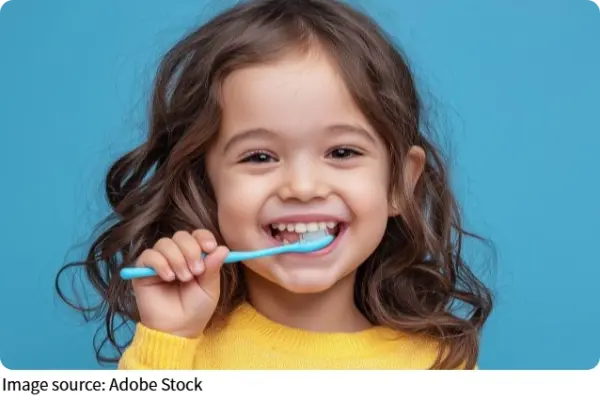
Teach Effective Brushing Techniques
Brushing requires coordination and control that develop throughout childhood. Guide children to clean the front, back and chewing surfaces of every tooth, paying attention to the gumline.
Aim for approximately two minutes per session. A timer and a consistent brushing sequence can help children cover all areas systematically.
The American Dental Association emphasizes the importance of consistent brushing: “The consensus recommendation is for people to brush their teeth for two minutes twice a day with a toothbrush that has soft bristles.”
Children can practise brushing independently, but caregivers should complete or assist with cleaning until they can do it thoroughly. This commonly requires supervision until around age eight, depending on individual development.
Clean Between Teeth
When neighboring teeth touch, a toothbrush may not reach the surfaces between them. Cleaning these spaces helps remove plaque and supports gum health.
A dental professional can demonstrate suitable cleaning methods and advise when additional cleaning is appropriate. Young children generally require caregiver assistance.
Support Healthy Dental Development
Maintain Balanced Eating Habits
Frequent consumption of foods and drinks containing free sugars increases the risk of tooth decay. Both the quantity and frequency of sugar exposure are important.
Establish regular meal and snack times, limit frequent sugary snacks and drinks, and offer water between meals. A varied diet containing fruits, vegetables, whole grains and other nutritious foods also supports general development.
Arrange Regular Dental Visits
Schedule the first dental appointment after the first tooth appears and no later than the first birthday.
Early dental assessments allow professionals to monitor tooth development, evaluate dental health, review fluoride exposure and recommend appropriate preventive care.
The frequency of subsequent appointments should depend on the child's individual dental needs and professional assessment.
Use Professional Preventive Care
Professional treatments can complement daily brushing and help protect developing teeth.
Depending on individual needs, a dental professional may recommend:
Fluoride varnish: Helps strengthen tooth enamel and prevent decay.
Dental sealants: Protect the chewing surfaces of suitable back teeth by covering areas where food particles and plaque can collect.
Fluoride supplements and specialized dental products should only be used following professional advice, with consideration of existing fluoride exposure.
Monitor Changes in Dental Health
Pay attention to changes in tooth appearance, gum condition and chewing comfort. Tooth discoloration, visible damage, persistent discomfort or changes in gum appearance should be evaluated by a dental professional.
Prompt assessment also helps determine appropriate care following a dental injury.

Develop Independent Self-Care Skills
Children gradually acquire the coordination and judgment needed to manage their dental routines. Encourage participation through age-appropriate tasks, such as choosing a toothbrush, applying simple brushing movements and following a consistent cleaning sequence.
As their abilities improve, allow them to take greater responsibility while caregivers continue checking the quality of cleaning.
Healthy childhood dental care combines twice-daily brushing, appropriate fluoride use, balanced eating habits and regular professional assessments. Consistent guidance helps children develop effective self-care skills and establish habits that support healthy teeth throughout life.