Hiking Hydration Guide

Raghu Yadav
| 25-11-2026
 · News team
Hiking places sustained demands on the body, making proper hydration an essential part of physical preparation.
Water helps regulate internal temperature, maintain circulation, and support normal muscle function.
During extended walks, particularly in warm conditions, the body loses additional fluids through sweating and breathing. Replacing these fluids helps maintain physical performance and supports overall well-being.
Why Hiking Increases Fluid Needs
Physical activity generates heat, prompting the body to sweat to maintain a stable internal temperature. This process causes water and electrolytes, including sodium, to leave the body. The amount lost depends on exercise intensity, duration, weather conditions, and individual sweating rates.
How Family Support Helps Older People Manage Prescriptions With Confidence
Lower travel and everyday expenses can free up money for household goals when savings are tracked.
How Regular Exercise Supports Heart Health, Strength, Balance, and Well-being in Later Life
Practical Ways to Protect Mental Well-Being, Sleep, Focus, and Physical Health
Automation is changing parcel sorting, truck loading and deliveries while employees handle exceptions.
AI spending and earnings expectations explain the sell-off and the importance of checking portfolio exposure.
Longer distances, steep climbs, and warm temperatures can increase fluid requirements. Carrying sufficient drinking water and planning opportunities to hydrate are important parts of hiking preparation.
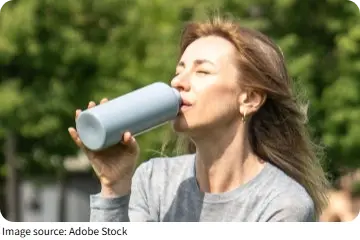
How Hydration Supports Physical Performance
The American College of Sports Medicine states: “It is the position of the American College of Sports Medicine that adequate fluid replacement helps maintain hydration and, therefore, promotes the health, safety, and optimal physical performance of individuals participating in regular physical activity.”
Temperature Regulation
Water enables the body to regulate its temperature through sweating and evaporation. This cooling process helps maintain thermal balance during physical exertion.
Muscle Function
Water and electrolytes contribute to normal muscle contraction and function. Maintaining an appropriate fluid balance helps support physical capacity throughout a hike.
Blood Circulation
Adequate hydration helps maintain blood volume, supporting the circulation of oxygen and essential nutrients to working muscles.
Concentration and Coordination
Maintaining hydration supports normal cognitive function and physical coordination, helping hikers stay attentive to their surroundings and navigate changing trail conditions.
Understanding Hydration Needs
Thirst is a useful indicator of the body's need for fluids. Dry mouth and changes in physical comfort can also provide useful signals. Individual requirements vary, so hydration should reflect the duration and intensity of the hike, environmental conditions, and personal sweating rate.
Practical Hydration Tips for Hiking
- Drink water before beginning the hike.
- Carry sufficient drinking water for the planned distance and conditions.
- Drink regularly according to thirst and individual requirements.
- Increase attention to fluid intake during warm weather and strenuous activity.
- Consider electrolyte replacement during prolonged exercise involving substantial sweating.
- Resume normal drinking habits after the hike to support recovery.
- Avoid excessive water consumption, as maintaining electrolyte balance is also important.
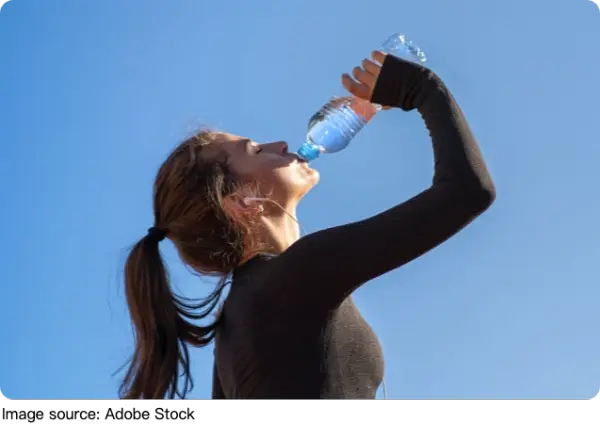
Proper hydration is an essential component of hiking preparation and physical performance. By supporting temperature regulation, circulation, and muscle function, water helps the body manage the demands of sustained outdoor activity. Choosing an appropriate fluid intake strategy based on the route, weather, and individual needs allows hikers to maintain their physical well-being and enjoy their outdoor experiences.