Broccoli Fights Cancer?

Chris Isidore
| 30-01-2026
 · News team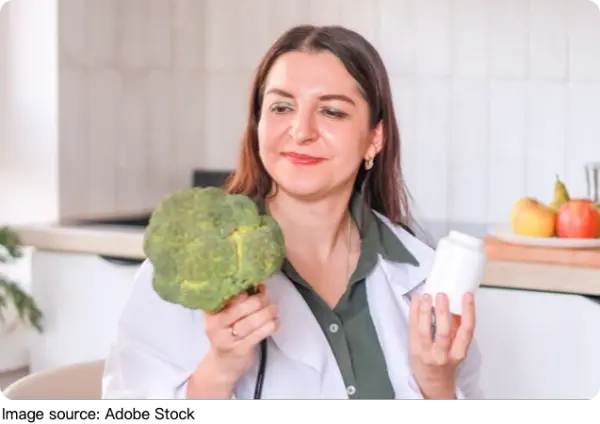
Diet plays a meaningful role in long-term health, and certain vegetables stand out for their protective potential.
Among them, broccoli and other cruciferous vegetables have gained strong scientific attention for their connection to reduced cancer risk.
What Are Cruciferous Vegetables?
Cruciferous vegetables belong to a plant family known for tightly packed leaves and a slightly bitter flavor profile. Common members include broccoli, cauliflower, cabbage, Brussels sprouts, kale, bok choy, and arugula. These vegetables share similar nutrient patterns and unique sulfur-containing compounds that give them their distinctive aroma and health benefits.
Regular consumption of these vegetables has been associated with lower rates of several types of cancer in population studies. Their benefits are not tied to a single nutrient but to a combination of vitamins, fiber, and biologically active compounds.
Stiff joints slowing you? Pain flares on stairs! 5 easy moves build power—stretch deep, strengthen smart!
Understanding Bloating: Definition and Common Triggers
Retiring Soon? Here’s the Crash-Test Most People Forget to Run
Big Balance, Bad Plan? These Hidden Gaps Can Derail Your Future
Why “Enough” Is the New Luxury (And How to Know Yours)
Index Funds Won’t Make You “Truly Rich”—Here’s What Usually Does
Sulforaphane: A Key Protective Compound
One of the most studied compounds in broccoli is sulforaphane. This substance forms when broccoli is chopped or chewed, activating a natural defense system within the plant. Sulforaphane supports the body’s ability to neutralize harmful compounds and regulate cell behavior.
Supporting Natural Detox Pathways
Cruciferous vegetables assist the body’s natural detox systems. Compounds found in these vegetables help activate enzymes that process and eliminate potentially harmful substances before damage occurs. This process supports cellular health and reduces long-term risk.
Fiber and Cellular Protection
In addition to specialized compounds, cruciferous vegetables provide dietary fiber. Fiber supports healthy digestion and helps regulate how quickly substances move through the digestive system. This process reduces prolonged exposure to unwanted compounds and supports overall balance.
Impact on Inflammation and Cell Regulation
Chronic inflammation is considered a contributing factor in the development of many diseases, including cancer. Cruciferous vegetables contain antioxidants and anti-inflammatory compounds that help moderate inflammatory responses. These vegetables also influence genes involved in cell growth and repair. Research suggests that regular intake supports proper cell regulation, reducing the likelihood of abnormal cell behavior over time.
Preparation Methods Matter
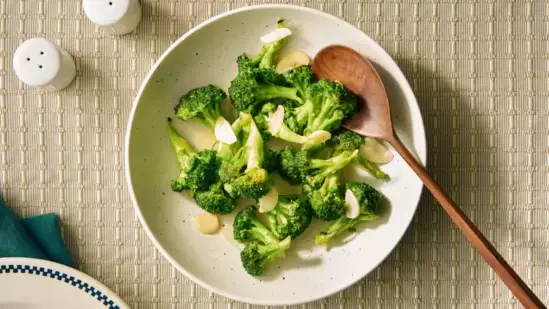
How cruciferous vegetables are prepared affects their benefits. Light cooking methods such as steaming preserve more sulforaphane-forming potential than prolonged boiling. Chopping vegetables and allowing them to rest briefly before cooking can increase beneficial compound formation.
Dr. Emily Ho is a nutrition and cancer prevention researcher and professor associated with the Linus Pauling Institute at Oregon State University. She has conducted research specifically on sulforaphane, the active compound in broccoli and other cruciferous vegetables, and its potential role in cancer prevention and therapy.
Broccoli and other cruciferous vegetables offer powerful protection through a combination of sulforaphane, fiber, antioxidants, and detox-supporting compounds. Scientific research consistently links their regular consumption with lower cancer risk. Through simple preparation methods and steady inclusion in meals, these vegetables provide accessible and effective support for long-term health.