Self-Esteem in Children!

Arvind Singh
| 27-01-2026
 · News team
Self-esteem development in children is a gradual psychological process that shapes how personal value, ability, and belonging are understood.
It does not emerge fully formed but develops through daily experiences, relationships, and feedback from the surrounding environment.
Healthy self-esteem supports emotional stability, learning motivation, and social confidence. When this foundation is weak or inconsistent, children may struggle with self-doubt, fear of failure, or withdrawal. Understanding how self-esteem develops provides clarity on how emotional resilience and confidence are built across childhood.
What Self-Esteem Means in Childhood
In childhood, self-esteem refers to the overall sense of personal worth combined with beliefs about competence. It includes how children evaluate abilities, accept limitations, and interpret success or difficulty. Young children tend to view themselves positively, as self-evaluation skills are still forming.
The Quiet Retirement Tool of Millionaires: It's Not Stocks or Gold!
Your Next Bond Will Live on a Blockchain. Here's What "Smart Money" Knows!
The Real Reason Your Exchange Rate Keeps Changing (It’s Not the News!)
This Simple Work Ethic Rule Can Save You From Costly Money Mistakes
Stocks Are Swinging Hard—Here’s Why Real Estate Can Feel Surprisingly Steady
That Awkward Checkout Moment? It Might Be Costing You More Than You Think
Early Attachment and Emotional Security
The earliest foundation of self-esteem develops through consistent emotional support. Predictable caregiving, responsiveness, and encouragement help children internalize a sense of safety and worth. When emotional needs are acknowledged, children learn that personal feelings and efforts have value.
Inconsistent or overly critical environments can disrupt this process. Children may begin to associate acceptance with performance rather than presence. Over time, this pattern may create conditional self-worth, where confidence depends entirely on external approval. Emotional security does not require perfection. It depends on reliability, warmth, and respectful communication.
Role of Achievement and Competence
As children grow, mastery experiences become central to self-esteem development. Completing tasks, learning skills, and overcoming challenges provide evidence of capability. These experiences are most effective when difficulty is appropriate for developmental level.
Excessive pressure or unrealistic expectations may undermine confidence, especially when mistakes are treated as failure rather than learning opportunities. In contrast, supportive guidance that emphasizes effort encourages persistence and adaptive thinking.
Praise also plays a role. Specific feedback focused on strategies and improvement supports stable self-esteem more effectively than broad or exaggerated praise.
Social Comparison and Peer Influence
Peer relationships increasingly shape self-esteem during school years. Acceptance, cooperation, and shared success reinforce positive self-perception. Repeated exclusion or ridicule, however, can damage confidence and increase self-consciousness.
Children naturally compare abilities with peers, especially in academic or physical settings. These comparisons influence perceived competence, even when objective ability is strong.
Internal Beliefs and Self-Concept
Over time, children form internal narratives about personal ability and value. These beliefs influence motivation, emotional response, and willingness to try new tasks. Once established, self-beliefs tend to guide future behavior. Children with healthy self-esteem view challenges as manageable and mistakes as temporary. Those with fragile self-esteem may avoid challenges to protect self-image.
Albert Bandura’s research in social cognitive theory established that people’s beliefs about their own abilities — what he called “self-efficacy” — strongly influence how they think, feel, motivate themselves, and behave. According to Bandura, individuals who believe they can succeed are more likely to choose challenging tasks, put in effort, persist in the face of setbacks, and ultimately achieve higher performance.
Long-Term Effects of Early Self-Esteem
Self-esteem formed in childhood influences later emotional regulation, academic engagement, and relationship quality. Stable self-worth supports resilience during stress and adaptability during change. Children who develop balanced self-esteem are more likely to tolerate setbacks without losing motivation.
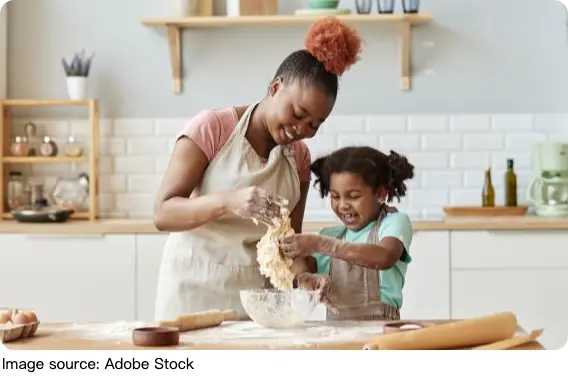
Self-esteem development in children is shaped by emotional security, competence experiences, social interaction, and internal belief formation. It evolves gradually as cognitive and social abilities mature. Supportive environments that value effort, respect individuality, and encourage learning from mistakes foster stable confidence.