Coping With Stress Together

Amit Sharma
| 02-02-2026
 · News team
Stress is an unavoidable part of modern life, affecting emotional balance, decision-making, and relationship stability.
When stress enters a relationship, its effects often extend beyond the individual, influencing communication patterns, emotional closeness, and daily interactions.
Understanding Shared Stress Dynamics
Stress experienced by one partner often affects the emotional climate of the relationship. Work demands, financial concerns, or family responsibilities can alter mood and availability, leading to tension if left unaddressed. Shared stress dynamics emerge when emotional signals are misinterpreted or when support expectations remain unclear.
Studies indicate that couples who recognize stress as a shared challenge rather than an individual burden demonstrate higher relationship satisfaction. This perspective reduces blame and encourages cooperation. Viewing stress as external to the relationship allows partners to unite rather than withdraw.
Smart but struggling? Brains learn differently! Signs, support, and hope matter more than labels!
One Simple Switch Can Make Your Debt Plan Finally Stick
Prices Keep Whipping Around? Try This Calm, Repeatable Investing Move
Before You Tap “Pay Later,” Read This Budget Reality Check
This Simple Grace-Period Trick Can Save You More Than You Think
This Tiny Weekly Habit Can Save Freelancers From Costly Filing Mistakes
Emotional Awareness and Regulation
Effective stress coping begins with emotional awareness. Recognizing signs of stress such as irritability, withdrawal, or reduced patience helps prevent miscommunication. Practicing emotional regulation supports calm interaction, even during demanding periods. When emotional responses remain regulated, conversations stay constructive.
Communication as a Stress Buffer
Clear communication plays a central role in managing stress together. Open discussion about stressors prevents assumptions and reduces emotional distance. Expressing concerns without criticism or blame fosters understanding and cooperation. Listening is equally important.
Division of Support and Practical Cooperation
Stress often intensifies when responsibilities feel unbalanced. Practical cooperation, such as sharing tasks and adjusting expectations, reduces pressure on both partners. Flexibility allows the relationship to adapt to temporary demands. Research highlights that perceived fairness in responsibility sharing contributes to emotional stability.
Emotional Support and Validation
Validation strengthens coping capacity. Acknowledging stress without minimizing its impact fosters emotional safety. Validation does not require solutions; it requires recognition of emotional experience. Supportive responses reduce feelings of isolation and reinforce partnership.
As Dr. Stan Tatkin, renowned relationship expert, states: “Your job is to know what matters to your partner and how to make him or her feel safe and secure.” This underscores the importance of emotional safety in managing stress. When both partners feel secure and understood, they are better equipped to handle external pressures together, reinforcing the relationship's foundation.
Conflict Management During Stress
Stress increases the likelihood of misunderstanding. During high-pressure periods, conflict management skills become essential. Taking breaks during heated discussions and revisiting topics later preserves emotional connection. Sincere repair attempts, such as genuine apologies or gentle reassurance, prevent stress-related conflict from damaging trust and connection.
Building Resilience Through Shared Meaning
Couples who share values and long-term goals demonstrate stronger resilience under stress. Shared meaning provides perspective, helping partners contextualize challenges within a broader purpose. Rituals, routines, and shared time reinforce connection during stressful periods. These anchors offer predictability and comfort, supporting emotional balance.
Long-Term Benefits of Shared Coping
Couples who cope with stress together develop stronger trust and emotional intimacy. Shared coping reinforces the belief that challenges can be faced collaboratively. Over time, this belief strengthens commitment and emotional security. Stress managed jointly also enhances personal well-being.
Dr. John Gottman, psychologist and co-founder of the Gottman Institute, explains that when individuals and couples discover healthy, functional ways of coping with stress, they can restore emotional closeness, renew emotional intimacy, and revive romantic connection in their relationship.
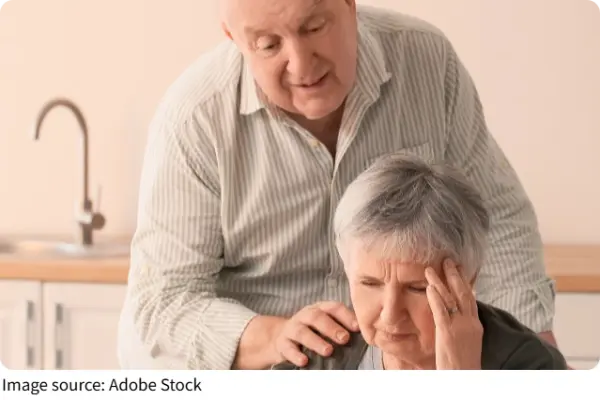
Coping with stress as a couple requires emotional awareness, clear communication, practical cooperation, and consistent support. Stress becomes more manageable when approached as a shared experience rather than an individual struggle. By strengthening these skills, couples can navigate stress while preserving connection, trust, and long-term relational stability.