Motor Coordination

Ethan Sullivan
| 09-03-2026
 · News team
Motor skills represent critical capacities that allow individuals to interact with their environment through coordinated movement.
These skills do not emerge fully formed but develop over time through a complex interplay of physical maturation, neurological wiring, and experience.
Defining Motor Skills and Their Importance
Motor skills are physical abilities involving coordinated movement of muscles under neurological control. They allow individuals to perform both large, sweeping actions and delicate, small movements. In child development, two broad categories are central:
1. Gross motor skills, which involve large muscle groups and enable whole‑body movement such as crawling, walking, running, balancing, and jumping. These skills help children explore their surroundings and gain physical independence.
Too many treats? Slow jumps, heavy naps! Trim habits now, keep whiskers happy!
Furry hearts help us breathe? Stress melts, smiles grow, worries fade fast!
Quiet clues at home? Small habits speak loud! Catch moments early, help kids thrive!
Want to stay strong as you age?! Simple exercise habits that support health!
What feels real when the mind bends? Truth, fear, and belief collide inside us!
Landlords Miss This Phase Shift—Don’t Be One of Them
2. Fine motor skills, which involve smaller, precise movements, particularly of the hands and fingers. These skills support activities like gripping objects, buttoning clothing, using utensils, drawing, and writing.
Stages of Motor Skills Development
Motor development follows predictable patterns shaped by biological maturation and interaction with the environment. From infancy forward, skills evolve sequentially:
Infancy: Motor development begins with reflexive movements, such as grasping or head‑lifting. As neuromuscular systems mature, infants gain head control, roll over, and gradually develop trunk stability.
Toddlerhood: Between ages one and three, children build strength and balance that support walking, running, climbing, and jumping. At the same time, fine motor skills emerge—infants begin to use a basic grasp and refine movements toward precise control of small objects.
Preschool Years: By ages three to five, coordination across both gross and fine motor domains increases substantially. Children demonstrate improved balance, agility, and manual precision. They can ride tricycles, catch or throw balls, pedal, cut with scissors under supervision, and begin to form letters when learning to write.
School Age and Beyond: Development continues into middle childhood as motor patterns become refined. Children build endurance, strength, and specialized competencies in sports and arts. Fine motor tasks like tying shoelaces, detailed drawing, and tool use become more reliable and coordinated.
Neurodevelopment and Motor Learning
The emergence and refinement of motor skills reflect interactions between neuromuscular maturation and environmental input. Motor development follows principles such as cephalocaudal progression (control evolves from head to toe) and proximodistal patterning (central body control precedes distal, hand‑and‑finger coordination). These patterns create predictable sequences in how children learn to control their movements.
As motor skills develop, neural pathways become more efficient, allowing complex movements to be integrated with perceptual and cognitive functions. For example, developing balance and coordination supports spatial awareness, while precision in hand movements supports early literacy and self‑care tasks.
Factors Influencing Motor Development
Several variables influence the rate and quality of motor skill progression:
Biological Maturation: Genetic predispositions and physical readiness impact how quickly skills emerge.
Experience and Practice: Opportunities for movement through play and exploration are essential. Frequent practice allows refinement of coordination and strength.
Environmental Support: Safe, stimulating spaces that encourage exploration—such as varied play settings—enhance motor learning.
Nutrition and Health: Adequate nourishment and overall health contribute to strength, endurance, and neurological processing.
Promoting Healthy Motor Development
Motor skills flourish when environments encourage both spontaneous movement and guided learning:
Structured Play: Activities such as obstacle courses, ball games, and balance exercises build gross motor confidence.
Fine Motor Practice: Tasks like drawing, threading beads, or playing with building blocks support precision and hand‑eye coordination.
Exploration and Movement: Opportunities to climb, walk on varied surfaces, and engage with diverse objects enrich motor learning.
Karen E. Adolph, a leading researcher in infant motor development at New York University, observes: “The notion of learning to learn provides a framework for understanding how ongoing actions are adapted to cope with variability and novelty.”
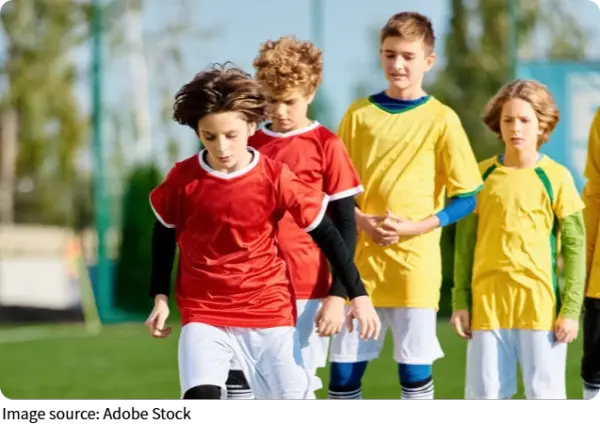
Motor skills development represents a foundational aspect of human growth that touches nearly every domain of daily life. By recognizing stages, supporting meaningful movement opportunities, and responding to individual developmental patterns, caregivers and educators can help nurture the motor capacities that provide the very building blocks for lifelong learning and participation in the world.