Veggie Learning Fun

Yuna
| 16-09-2026
 · News team
Young children learn best when everyday experiences feel interesting and hands-on.
Vegetables are a natural part of their daily lives, making them an easy subject for simple learning activities that can build observation, memory, language, and familiarity with different foods.
Start With Real Vegetables
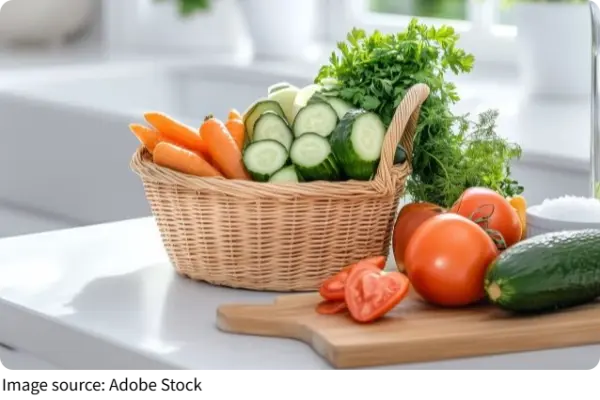
The easiest place to begin is the kitchen. When vegetables are brought home, let children look at them, touch them, and notice how they differ. Ask simple questions such as, “What color is this?” “Is it round or long?” or “Does the outside feel smooth or rough?”
There is no need to introduce many vegetables at once. Start with a few familiar choices and repeat them over several days. Repeated observation can help children remember names and recognize differences more easily.
Build a balanced home strength routine with simple dumbbell exercises for major muscle groups
How balanced basketball technique supports efficient movement and physical well-being during practice
How regular badminton can support cardiovascular fitness, coordination, balance, movement control, and everyday physical well-being
What to Know About Blood Sugar Testing, Glucose Monitoring, and Doctor Visits
How Much Water Do You Really Need for Healthy Hydration?
What to expect, potential benefits, and when professional guidance may be helpful
Parents can also encourage children to sort vegetables by color, shape, or size. For example, a child might place green vegetables together and then find another way to group them. These small activities turn an ordinary kitchen task into an opportunity to practice thinking and observation.
Use Pictures for Comparison
Picture cards and illustrated books can help children recognize vegetables beyond the ones they see at home. Begin with familiar examples, then gradually introduce less familiar varieties.
Comparison makes this activity more interesting. Place pictures of two vegetables together and ask the child to describe what looks different. They might notice that one is round while another is long, or that two vegetables have different colors.
Adults can add the correct names and gently correct mistakes. Instead of simply asking children to memorize words, encourage them to explain what they see. This gives them more opportunities to practice both vocabulary and observation.
Turn Shopping Into a Game
A grocery store can become a simple learning space. While shopping, invite children to look for vegetables they already know. You can give them a small task, such as finding a round vegetable or identifying something green.
Once a child recognizes several familiar vegetables, introduce one unfamiliar item. Ask the child to observe its color, shape, and size before explaining its name. This approach encourages curiosity instead of turning learning into a test.
Parents can also ask children to remember which vegetables they saw during the previous shopping trip. Later, they can talk about which ones were found again. Such activities provide natural practice for memory and recall.
Observe Changes During Cooking
Cooking offers another useful way to help children understand vegetables. Before preparation, let them observe the raw vegetables. During cooking, they can watch how their appearance, texture, or shape changes.
For safety, young children should stay away from hot surfaces, sharp tools, and boiling liquids. Adults can handle these parts while children observe from a safe position.
Parents can also talk through simple cooking steps. For example, after a dish is prepared, ask the child what happened first, what came next, and what was done at the end. This helps children practice remembering a sequence while learning more about everyday routines.
Make Learning Part of Mealtimes
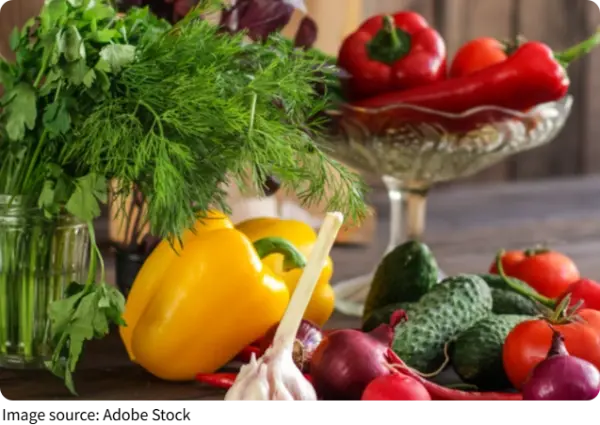
Mealtimes provide another chance to reinforce what children have learned. Ask them to identify vegetables on their plate or remember where they saw the same vegetable earlier.
It is also useful to talk about vegetables in simple, positive language. Instead of pressuring a child to finish a certain food, parents can encourage them to look, smell, touch, and taste when they are comfortable doing so. Familiarity can grow through repeated, relaxed exposure.
Learning about vegetables does not need to feel like a lesson. A trip to the store, a picture book, a kitchen activity, or a family meal can all become useful learning moments. By giving children chances to observe, compare, remember, and participate, parents can help them become more familiar with everyday vegetables while developing valuable learning and eating habits.