Exercise & Healthy Aging

Margot
| 10-10-2026
 · News team
Maintaining energy, physical independence, and the ability to handle everyday demands becomes increasingly important with age. A 2026 study published in GeroScience suggests that older people who have practiced aerobic exercise regularly for decades may retain greater physiological resilience than peers with mostly inactive lifestyles.
The findings offer insight into how long-term movement may support healthy aging, although further research is needed to establish cause and effect.
What the Researchers Discovered
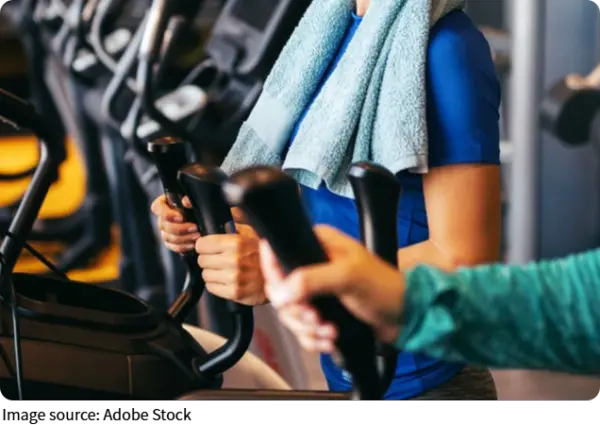
Researchers in France compared 39 healthy people over the age of 55 with different histories of physical activity. Nineteen participants had followed structured aerobic exercise routines at least three times a week for approximately 30 years, while 20 participants had generally led sedentary lives.
Could a newly identified cell-signaling pathway lead to better autoimmune treatments? Scientists uncover a promising target!
Can two new EU initiatives help people make smarter money choices? Better financial knowledge is the goal!
Why are cancer survivors less physically active? New research highlights barriers and the need for tailored support!
Could your food choices protect your aging brain? New research links the MIND diet to healthier brain vessels!
A closer look at leveraged trades, market positioning, and the forces behind abrupt changes in direction
Inside the data, security checks, and risk signals that help payment providers recognize suspicious activity
The research team assessed 12 biological indicators covering three areas: immune and stress responses, energy and metabolism, and neuromuscular function. These measurements were combined into a score known as vitality capacity, which estimates the body's physiological reserves and ability to respond to changing demands.
The lifelong exercisers achieved an overall vitality score approximately 0.2 standard-score units higher than the inactive group. Although this difference was modest, it was statistically significant. Age remained an important factor in both groups. Vitality capacity tended to decrease as age increased, indicating that long-term exercise may be associated with better physiological reserves without completely preventing age-related changes.
Understanding Vitality Capacity
Vitality capacity offers a broader perspective on aging than evaluating individual health measurements separately. Rather than focusing exclusively on physical strength or endurance, it combines indicators from several interconnected biological systems.
The immune and stress response domain examines how the body manages challenges and maintains internal stability. Energy and metabolism measurements provide information about processes that support daily activity, while neuromuscular assessments reflect the interaction between the nervous system and muscles.
Combining these areas can provide a more comprehensive picture of physiological resilience. However, the scoring system remains a research tool rather than an established clinical test for predicting an individual's future health.
Why Aerobic Exercise May Help
Aerobic activities such as brisk walking, cycling, swimming, and running repeatedly challenge the cardiovascular and respiratory systems. With regular practice, the body can adapt by improving endurance, oxygen delivery, and the efficiency of responses to physical demands.
The study found that the clearest difference between active and inactive participants appeared in the immune and stress response domain. Lifelong exercisers scored approximately 0.4 standard-score units higher in this area. Researchers also observed higher oxygen saturation at rest and greater heart rate variability among active participants. Heart rate variability describes fluctuations in the time between consecutive heartbeats and can provide information about how the nervous system regulates cardiovascular activity.
These measurements suggest that sustained aerobic exercise may be associated with better physiological adaptability. However, individual indicators of inflammation and self-reported immune health did not differ significantly between the groups, showing that the relationship was not consistent across every measurement.
Expert Insight
The study was led by Julien Mercier and colleagues from Université Côte d'Azur and collaborating research institutions in Nice, France. Their findings, published in GeroScience, highlight the relationship between long-term exercise and physiological resilience. The researchers concluded: “Lifelong aerobic physical activity is associated with higher vitality capacity in older adults, particularly within the immune and stress response domain.”
What the Findings Mean for Healthy Aging
The results reinforce the value of maintaining regular physical activity throughout life. However, they do not establish that beginning exercise later in life produces exactly the same outcomes as decades of consistent training.
The study included a small group of exceptionally healthy participants who did not have chronic illnesses or take regular medication. This makes it difficult to determine whether the results would apply equally to people managing long-term health conditions or those from different backgrounds.
A 2026 study found that people who maintained aerobic exercise habits for approximately three decades had higher vitality capacity than similarly aged, mostly inactive peers. Nevertheless, the findings strengthen the case for regular aerobic activity as part of a long-term approach to healthy aging, while highlighting the need for further research into how exercise supports the body's ability to adapt over time.