Less UPFs, Less Depression

Lucas Schneider
| 16-10-2026
 · News team
Food choices can influence more than physical health. Growing scientific interest in nutritional psychiatry has led researchers to investigate how everyday eating habits may relate to emotional well-being, including symptoms of depression.
Recent research suggests that reducing ultra-processed foods could be associated with improvements in mood, offering another reason to consider the overall quality of daily meals.
What Are Ultra-Processed Foods?
Ultra-processed foods are industrially formulated products that often contain refined ingredients, flavorings, colorings, sweeteners, emulsifiers, and other additives. Examples can include sugary soft drinks, packaged confectionery, instant noodles, processed meat products, and certain ready-to-eat snacks.
Can the DASH diet fit with BP meds? New research offers insight into potassium levels and safety!
Sleeping longer at weekends may help your body recover from a tiring week, but scientists say the timing and duration matter.
A new study reveals which health benefits remain a year after weight loss and why regular exercise may help protect them.
Rental prices are climbing across Europe, with Romania and Croatia recording dramatic increases. What is driving the housing squeeze?
House prices rise in Europe; Portugal and Bulgaria see sharpest increases due to supply‑demand imbalance.
JPMorgan Chase leads the global AI rankings, while Switzerland's UBS is the only European bank to reach the top 10.
The NOVA classification system groups foods according to the extent and purpose of their processing. Under this framework, ultra-processed products are distinguished from minimally processed foods, such as fresh fruit, vegetables, eggs, and plain grains.
However, processing alone does not determine nutritional value. Frozen vegetables, canned beans, plain yogurt, and whole-grain bread can provide valuable nutrients despite undergoing processing. The ingredients, nutrient composition, and role of a food within the overall diet are more informative than a simple processed-versus-unprocessed distinction.
What Recent Research Reveals
A small clinical study published in JAMA Psychiatry in September 2026 investigated whether reducing ultra-processed food consumption could influence depression symptoms. The study enrolled 20 participants with a primary diagnosis of depression, relatively high ultra-processed food consumption, and at least one self-reported metabolic concern. Nineteen participants completed the research.
Participants followed two dietary phases in a randomly assigned order: their usual eating pattern and a diet designed to substantially reduce ultra-processed foods. Each participant served as their own comparison, allowing researchers to examine changes in symptoms across the two periods.
During the reduced-ultra-processed-food phase, participants lowered their intake of these products by more than 85%. Depression scores improved across three standardized measures, while anxiety scores also declined. On the Patient Health Questionnaire-9 (PHQ-9), a widely used screening tool for depressive symptoms, the average score decreased from 8.68 during the usual-diet phase to 5.53 during the reduced-ultra-processed-food phase.
How Food Choices May Affect Mental Well-Being
Nutrient availability: The brain requires a steady supply of nutrients to support neurotransmitter production, nerve signaling, and normal cellular activity. Diets containing varied sources of protein, vitamins, minerals, and essential fatty acids help supply these requirements.
Inflammatory processes: Researchers are investigating whether dietary patterns high in ultra-processed foods may influence inflammation. Persistent inflammatory activity has been associated with depressive symptoms in some studies, although the relationship is complex and does not establish that a particular food causes depression.
Gut-brain communication: The digestive system and brain communicate through neural, hormonal, and immune pathways collectively known as the gut-brain axis. Gut microorganisms also help process dietary components and produce compounds that influence biological activity.
Expert Insight
Michelle Routhenstein, MS, RD, CDCES, CDN, a preventive cardiology dietitian at Entirely Nourished, has emphasized the importance of evaluating foods according to their nutritional value rather than processing status alone. Routhenstein stated: “Processing is not inherently negative. Many nutritious foods are processed in some way.”
Practical Ways to Reduce Ultra-Processed Food Intake
- Small, consistent adjustments can make dietary changes easier to maintain.
- Replace some sugary beverages with water or unsweetened alternatives.
- Choose fruit, nuts, or plain yogurt more often when selecting snacks.
- Include vegetables, beans, whole grains, and suitable protein sources in regular meals.
- Prepare simple meals at home when time and resources allow.
- Keep convenient options such as frozen vegetables, canned beans, oats, and plain yogurt available.
Why Nutrition Should Not Replace Mental Health Care
Depression is a complex health condition that may involve persistent low mood, loss of interest, changes in sleep, reduced energy, and difficulty concentrating. Symptoms can vary considerably, and nutritional changes alone may not provide sufficient relief. People experiencing persistent or worsening symptoms should seek assessment from a qualified healthcare professional.
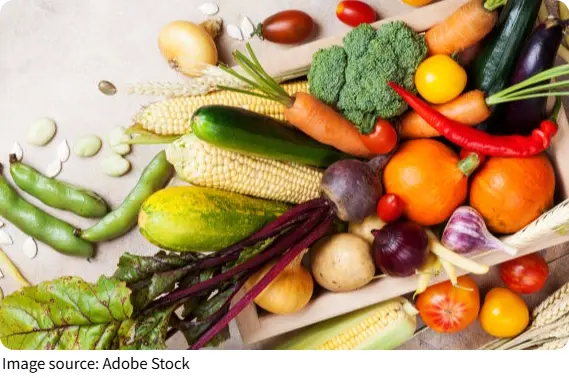
A balanced eating pattern that includes varied, nutrient-rich foods may contribute to overall health while supporting other aspects of mental well-being. Nutrition is one component of a broader approach to mental health. Combining sustainable food choices with appropriate professional care offers a more comprehensive strategy for managing depression symptoms.