Traumatic Brain Injury!

Raghu Yadav
| 27-01-2026
 · News team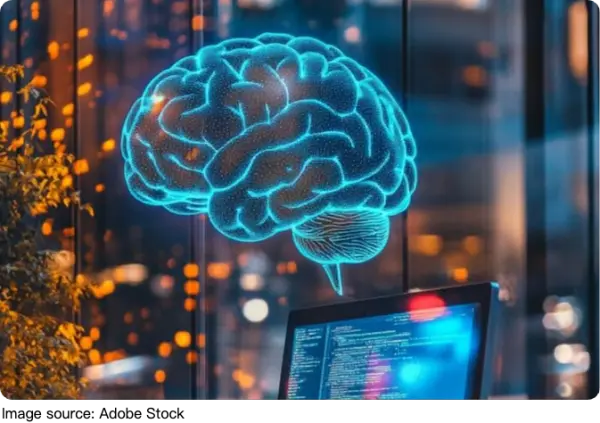
Traumatic brain injury (TBI) occurs when an external force disrupts normal neurological function.
This disruption may result from falls, vehicle collisions, sports incidents, or other sudden impacts.
The consequences of TBI range from temporary symptoms to long-term disability that affects thinking, movement, and daily independence. Because outcomes vary widely, understanding both cognitive and physical effects is essential for long-term care planning. Medical advances have improved survival, yet many individuals continue to live with lasting challenges that require structured rehabilitation and ongoing support.
Mechanisms and Severity Levels
Traumatic brain injury is classified by severity, commonly described as mild, moderate, or severe. Severity depends on the duration of altered consciousness, memory disruption, and neurological impairment. Even injuries labeled as mild can lead to persistent symptoms when recovery is incomplete.
Words shape young minds! Praise, trust, support matter? Self-worth grows early!
The Quiet Retirement Tool of Millionaires: It's Not Stocks or Gold!
Your Next Bond Will Live on a Blockchain. Here's What "Smart Money" Knows!
The Real Reason Your Exchange Rate Keeps Changing (It’s Not the News!)
This Simple Work Ethic Rule Can Save You From Costly Money Mistakes
Stocks Are Swinging Hard—Here’s Why Real Estate Can Feel Surprisingly Steady
The initial impact may cause direct tissue disruption, followed by secondary changes such as inflammation and altered signaling between nerve cells. These secondary effects often contribute more to long-term disability than the initial injury itself. Early medical management focuses on limiting further damage, while later care addresses functional recovery.
Cognitive Disability Outcomes
Cognitive impairment is one of the most significant consequences of traumatic brain injury. Attention control is frequently affected, making it difficult to focus, shift tasks, or process information efficiently. Memory difficulties are also common, particularly involving new learning and short-term recall.
Executive functioning may be disrupted. This includes challenges with planning, organization, problem-solving, and judgment. Such changes often interfere with employment, education, and independent living. Language-related difficulties can appear as slowed processing or trouble finding words, even when general intelligence remains intact.
Physical Disability and Functional Limitations
Physical outcomes following traumatic brain injury vary according to injury location and severity. Balance difficulties and coordination problems are frequently reported, affecting walking stability and fine motor control. Muscle weakness or altered muscle tone may limit endurance and daily activity.
Persistent fatigue is another common outcome. This fatigue is not relieved by rest alone and can significantly restrict participation in work or social routines. Sensory changes, including altered vision or hearing clarity, may further complicate mobility and communication.
Chronic pain conditions can develop after injury, often linked to nerve signaling changes rather than visible damage. These symptoms require careful management to prevent secondary decline in activity level and emotional health.
Psychosocial and Behavioral Effects
Beyond cognitive and physical limitations, traumatic brain injury often affects behavior and social functioning. Reduced impulse control and slowed emotional response may change how situations are interpreted and handled. Social cues can become harder to read, leading to misunderstandings.
These changes can result in social withdrawal, not due to lack of interest, but because interactions demand increased effort. Vocational challenges are common, particularly in roles requiring multitasking or rapid decision-making. Structured environments with clear expectations often support better outcomes.
Recovery Trajectories and Rehabilitation
Recovery after traumatic brain injury is not linear. Improvement may occur over months or years, with periods of rapid progress followed by plateaus. Early rehabilitation focuses on restoring basic function, while later stages emphasize adaptation and skill-building.
Professor David K. Menon — co‑lead author of the 2022 Lancet Neurology Commission on traumatic brain injury and a world‑renowned figure in neurotrauma research — and his colleagues document TBI as a major global health problem that is a leading cause of injury‑related death and disability across the world. This assessment reflects the broad expert consensus in neurology and public health.
Long-Term and Support Needs
Long-term outcomes depend on injury severity, access to rehabilitation, and individual resilience. Some individuals return to previous levels of function, while others require ongoing assistance. Assistive technologies, structured routines, and community-based services can significantly enhance independence.
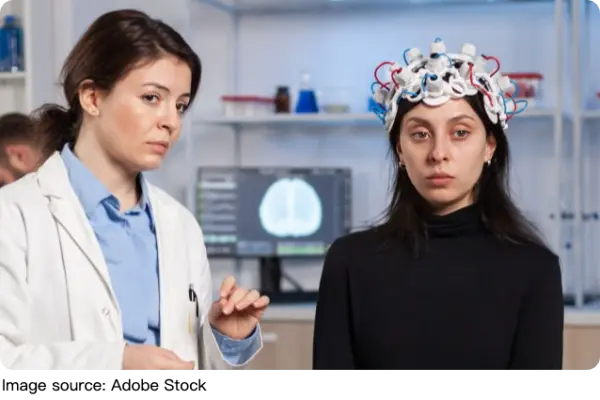
Traumatic brain injury is a complex condition with wide-ranging cognitive and physical disability outcomes. A clear understanding of these outcomes supports informed care, realistic expectations, and sustained support across all stages of recovery.